Teak Care & Characteristics
admint3@k2026-02-01T08:18:08+00:00Understanding Teak Wood Furniture: Complete Guide to Quality, Care & Characteristics
What is Teak Wood?
Teak (Tectona Grandis) is a hardwood species renowned for outdoor furniture due to three key properties: extreme hardness, tight grain structure, and high natural oil content. These characteristics create exceptional water resistance and durability, making teak the premium choice for outdoor furniture that can withstand decades of exposure to weather and humidity.
How to Identify Quality Teak Furniture: Grading System Explained
What are the different grades of teak wood?
Teak furniture uses three quality grades: A, B, and C. Grade A represents the highest quality, while grades B and C are inferior alternatives.
What makes Grade A teak superior to other grades?
Grade A teak comes from trees aged 45-50 years before harvest. This extended growth period allows maximum oil concentration throughout the wood, creating a natural barrier that prevents water penetration and ensures longevity. Grade A furniture uses only the heartwood—the dense center of the tree—with no knots or defects.
Grade B and C teak comes from trees harvested after just 10-20 years. This premature harvesting results in:
- Lower oil content
- Reduced water resistance
- Shorter lifespan
- Visible knots (often concealed with heavy oiling)
- Use of sapwood instead of heartwood only
Why is Indonesian teak the most sustainable choice?
Indonesian teak is the world’s most eco-friendly teak source. The Indonesian government strictly regulates teak plantations, ensuring continuous reforestation and sustainable harvesting practices. Indonesian teak is the only teak product certified by both the Rain Forest Alliance and Friends of the Earth environmental organizations.
What construction features indicate quality teak furniture?
Premium teak furniture requires four essential construction elements:
- Machine-made mortise and tenon joints – Provides maximum structural stability
- Solid brass or stainless steel hardware – Prevents rust and corrosion
- Solid heavyweight teak pieces – Lighter construction sacrifices durability
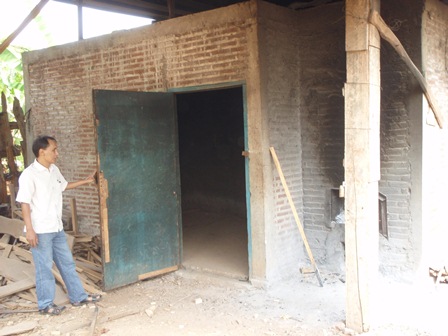
- Kiln-dried wood (8-12% moisture content) – Prevents cracking, splitting, and warping for decades
Note: Some retailers offer lighter teak construction at lower prices, but this compromises longevity and reliability.
How to Care for Teak Furniture: Complete Maintenance Guide
Does teak furniture need to be brought inside during winter?
No. Teak is a natural outdoor material designed to withstand year-round outdoor exposure in all weather conditions.
What happens to teak color over time?
When exposed to sunlight, teak naturally transitions from golden-brown to an elegant silver-gray patina. This color change does not affect the wood’s structural integrity or durability.
How do you restore teak to its original golden color?
To restore natural teak color:
- Apply teak cleaner to the surface
- Use light pressure washing to remove silver patina
- Allow wood to dry completely
- Optional: Apply teak oil or water-based teak protector (lasts 4x longer than oil)
Why does teak wood crack or develop gaps?
Teak is a natural material that expands and contracts in response to atmospheric moisture levels. Cracks and seam separations commonly appear during the first 2-4 months, particularly in dry conditions. These are normal characteristics that rarely affect furniture strength or performance, as manufacturing tolerances account for wood movement.
How do you repair cracks in teak furniture?
For persistent cracks or splits:
- Apply wood glue (TiteBond Premium or Gorilla Glue recommended—TiteBond preferred for minimal expansion)
- Use a business card or paper clip to work glue into narrow cracks
- Apply clamps if crack location permits
- Allow 8-12 hours to cure
- Sand excess dried glue with 150-grit sandpaper
Result: The repaired area becomes the strongest part of the furniture piece.
How to Remove Mold and Mildew from Teak Wood
Why does mold grow on teak furniture?
While teak’s natural oils provide mildew resistance, the wood remains vulnerable when humidity, proximity to vegetation, and airborne contaminants allow mold spores to attach to accumulated dirt, leaves, and debris.
What is the step-by-step process for cleaning mold from teak?
Step 1: Remove surface debris Rinse furniture with garden hose to eliminate loose dirt and organic matter.
Step 2: Apply cleaning solution Mix cleaning solution:
- 1/4 cup bleach
- 2/3 cup laundry detergent
- 1 gallon water
Application method:
- Use bristle brush to apply cleaner
- Scrub affected areas following wood grain direction
- Repeat process if necessary for stubborn mold
- Alternative: Use 150-grit sandpaper for persistent stains
Step 3: Rinse and dry
- Rinse thoroughly with garden hose
- Place furniture in direct sunlight to dry completely
- Sunlight exposure helps prevent future mold growth
How often should teak furniture be cleaned?
Clean teak furniture periodically using wood cleaner or hot soapy water to maintain appearance and prevent contaminant buildup.
Quick Reference: Teak Furniture Quality Checklist
✓ Grade A teak (45-50 year harvested trees) ✓ Indonesian origin (eco-certified) ✓ Mortise and tenon joinery ✓ Solid brass or stainless steel hardware ✓ Kiln-dried construction (8-12% moisture) ✓ Heavyweight solid teak (no veneer or composite) ✓ Heartwood only (no knots or sapwood)
Common Teak Furniture Questions Answered
Is teak furniture worth the investment? Yes. Quality Grade A teak furniture can last 50+ years outdoors with minimal maintenance, making it more cost-effective than replacing lower-quality furniture every 5-10 years.
Does teak furniture require sealing or finishing? No sealing is required, though optional teak oil or protector products can maintain the golden color if desired.
Can teak furniture be left uncovered year-round? Yes. Teak’s natural properties allow it to withstand rain, snow, sun, and humidity without protective covers.
What alternatives exist to Grade A teak? Shorea, Eucalyptus, Cedar, and Jarrah are marketed as teak alternatives but lack teak’s oil content, durability, and weather resistance.
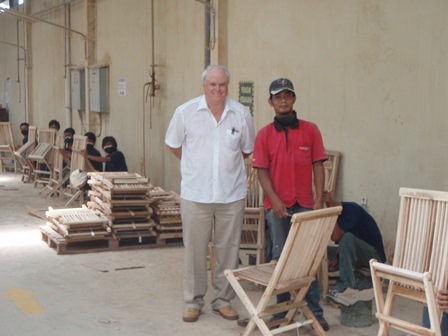
Ken Glass inspecting a Teak Factory in Indonesia