

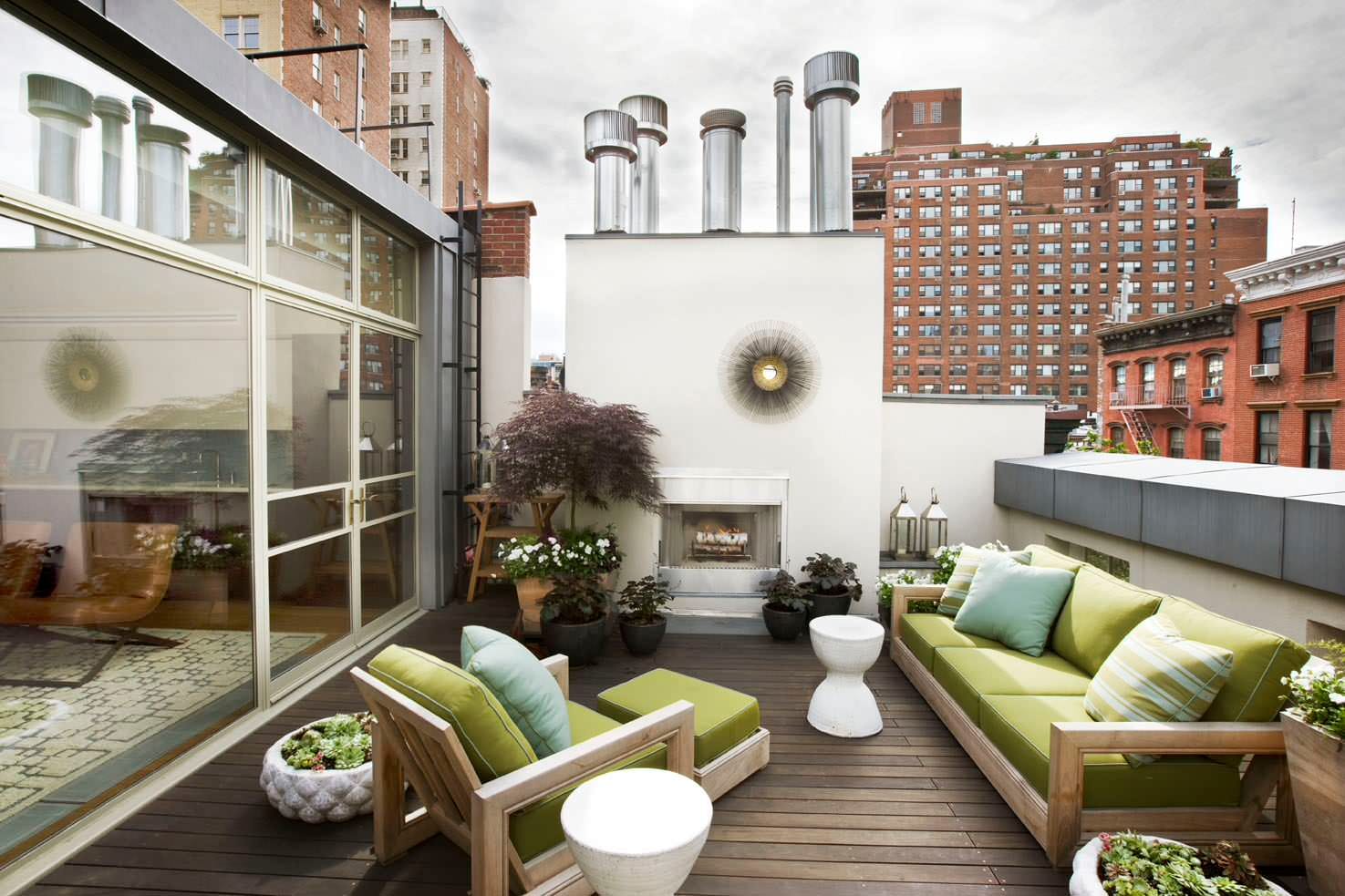
The Unique Challenges of Rooftop and Terrace Furniture
Rooftop decks and terraces represent some of the most desirable outdoor living spaces in modern architecture—offering panoramic views, privacy, and direct access from living areas. Yet these elevated outdoor spaces present furniture challenges that differ dramatically from ground-level patios. The combination of increased wind exposure, intensified sun radiation, limited access for furniture delivery and replacement, structural weight considerations, and the premium aesthetic expectations that come with high-elevation living creates a demanding environment where most furniture materials fail to deliver satisfactory long-term performance.
Understanding why rooftop and terrace environments are uniquely challenging helps explain why Grade A teak has become the preferred material for discerning property owners, architects, and designers creating elevated outdoor living spaces.
Wind Exposure: The Invisible Force
Wind velocity increases with elevation—a phenomenon called the wind gradient effect. Rooftop spaces experience winds 20-50% stronger than ground level in the same location, creating furniture challenges that ground-level patios never face:
- Furniture displacement and tipping: Lightweight furniture becomes projectiles in moderate wind events, potentially damaging property or injuring people. Even without dramatic tipping, furniture that constantly shifts position from wind creates ongoing frustration and prevents spaces from maintaining intended arrangements.
- Structural stress on joints: Constant wind pressure and gusting creates repeated stress on furniture joints and connections. Materials and construction methods that work adequately at ground level develop looseness and structural failures when subjected to persistent wind forces at elevation.
- Surface wear from wind-driven debris: Elevated positions experience more airborne dust, sand, and particulates. These abrasive materials driven by wind cause accelerated surface wear on furniture finishes and materials.
- Umbrella and shade structure challenges: Providing shade on windy rooftops requires furniture and structures specifically engineered for wind loads. Standard patio umbrellas become dangerous in rooftop winds, necessitating heavy bases or alternative shade solutions.
- Cushion and accessory security: Lightweight cushions, throws, and accessories blow away easily at elevation. Furniture design must incorporate securing methods or be functional without loose elements prone to wind displacement.
Many rooftop furniture buyers discover these wind challenges only after furniture arrives—lightweight pieces marketed as “easy to move” become furniture that won’t stay in place, while poorly constructed pieces develop wobbly joints from wind stress within a single season.
Intensified Sun and UV Exposure
Rooftop and terrace spaces receive significantly more intense solar radiation than ground-level outdoor areas:
- Reduced atmospheric filtering: At elevation, sunlight passes through less atmosphere before reaching surfaces. Even modest elevation increases—10-20 stories in urban buildings—result in measurably higher UV intensity compared to ground level.
- Reflection amplification: Many rooftop decks use light-colored waterproof membranes, reflective coatings for heat management, or light pavers that reflect sunlight upward onto furniture from below while direct sun hits from above. This multi-directional UV exposure accelerates material degradation.
- Lack of natural shade: Ground-level patios often benefit from tree shade, building shadows, or fence shade during parts of the day. Rooftops typically have full sun exposure from sunrise to sunset with no natural shade sources, creating all-day UV bombardment.
- Heat island effect on rooftops: Dark roofing materials absorb solar radiation and re-radiate heat, creating localized temperature increases. Furniture positioned on these surfaces experiences both direct sun and radiated heat from below, intensifying thermal stress.
- Extended seasonal exposure: While ground-level spaces might have limited winter sun angles, rooftop positions maintain high sun exposure year-round, preventing seasonal UV breaks that help ground-level furniture last longer.
This intensified UV exposure causes furniture finishes to fail in months rather than years. Materials become brittle and crack. Colors fade dramatically. What manufacturers rate for “5 years outdoor use” may deteriorate in 2-3 years when subjected to rooftop UV intensity.
Access and Logistics: The Replacement Problem
Getting furniture to and from rooftop spaces creates practical challenges that don’t exist at ground level:
- Elevator limitations: Many residential and commercial elevators have size restrictions preventing large furniture pieces from reaching upper floors. What fits easily through a patio door may not fit in an elevator car, requiring furniture disassembly or alternative delivery methods.
- Stairway impossibilities: Carrying large furniture up multiple flights of stairs ranges from difficult to impossible. A dining table easily moved to a ground floor patio might require professional rigging to reach a rooftop terrace.
- Crane and rigging costs: When elevators and stairs won’t work, furniture delivery may require crane rental for exterior lifting—adding $500-$2,000+ to furniture costs and requiring building management coordination and street permits.
- Building damage risks: Maneuvering large furniture through building corridors, doorways, and tight turns risks damaging walls, door frames, and elevator interiors. Many buildings require substantial deposits or proof of insurance before allowing large item moves.
- Disposal challenges: When furniture needs replacement, removal faces the same access challenges as delivery. Disposing of failed furniture from rooftops often costs as much as delivery, adding hidden expenses to the replacement cycle.
These access challenges mean rooftop furniture replacement is dramatically more expensive and complicated than simply buying new pieces. The true cost of “cheap” furniture that requires frequent replacement includes not just purchase price but also repeated delivery logistics nightmares.
Structural Weight Considerations
Rooftop and terrace spaces have weight capacity limits that ground-level patios don’t face:
- Live load restrictions: Building codes specify maximum weight per square foot for roof structures. Furniture, along with people using it, counts toward these limits. Heavy furniture consumes more of the allowable weight budget, potentially limiting how much furniture can safely occupy the space.
- Concentrated load concerns: Furniture legs create point loads where weight concentrates on small areas. Very heavy pieces may exceed localized weight limits even if total distributed weight is acceptable, requiring load distribution solutions or furniture placement restrictions.
- Seasonal load variations: In areas with snow, winter loads from snow accumulation must be factored into weight budgets. Permanent furniture consumes capacity year-round, potentially limiting safe snow load before requiring snow removal.
- Renovation and modification limitations: Existing building structures have fixed weight capacities. Unlike ground level where you can add paving or reinforcement, rooftop capacity can’t easily be increased, creating permanent furniture weight constraints.
This creates a balancing act—furniture needs sufficient weight to resist wind displacement, but excess weight creates structural concerns and delivery challenges. The ideal rooftop furniture achieves maximum stability-per-pound through density and design rather than just mass.
Aesthetic and Lifestyle Expectations
Rooftop and terrace spaces typically represent premium real estate with corresponding high aesthetic standards:
- Architectural integration: Rooftop spaces are often visible from interior living areas through large windows and doors. Furniture becomes part of the view from inside, requiring year-round visual appeal rather than just seasonal attractiveness.
- Entertainment showcase value: Elevated outdoor spaces frequently serve as entertainment venues showcasing city or landscape views. Furniture quality directly impacts guests’ perception of the overall environment—deteriorating furniture undermines the space’s wow factor.
- Photography and social sharing: Rooftop spaces photograph dramatically with city skylines or landscape views as backdrops. Beautiful furniture enhances these images while cheap or deteriorating pieces detract from the visual story.
- Property value implications: Well-furnished rooftop terraces add measurable value to properties. Quality outdoor living spaces command premium prices in real estate markets, while poorly furnished or neglected rooftop spaces represent missed value opportunities.
- Design coherence with interior spaces: The best rooftop designs create seamless transitions from interior to exterior. Furniture quality and style should match interior furnishing standards rather than representing a quality downgrade when stepping outside.
These elevated expectations mean rooftop furniture can’t just be functional—it must deliver style, quality, and lasting beauty that justify the premium value of elevated outdoor space.
Why Grade A Teak Solves Rooftop and Terrace Challenges
Grade A teak’s natural properties and performance characteristics address every challenge rooftop environments present, making it the preferred material for architects, designers, and property owners creating elevated outdoor spaces.
Natural Density: Wind Resistance Through Physics
Grade A teak’s exceptional density creates wind resistance without excessive weight:
Density-to-weight optimization: Teak achieves approximately 55-60 pounds per cubic foot density—significantly denser than most furniture woods while lighter than materials like stone or concrete. This density creates furniture with substantial mass that resists wind displacement without consuming excessive rooftop weight capacity.
Low center of gravity designs: Teak’s strength allows furniture construction with wide, stable bases and low profiles that resist tipping. A teak dining table or lounge chair achieves stability through intelligent design utilizing the wood’s properties, not just through adding weight.
Mass distribution advantages: The wood’s uniform density throughout each piece creates stable mass distribution. Unlike hollow metal or composite furniture where weight concentrates in frames with light panels, solid teak construction provides consistent weight distribution that enhances stability.
Practical wind performance: In real-world conditions, quality teak furniture positioned on a rooftop terrace stays in place through wind events that would displace lighter alternatives. Dining tables remain positioned, chairs don’t skitter across decking, and loungers maintain arrangement without constant repositioning.
Anchoring when necessary: For extreme wind locations, teak’s solid construction allows for discreet anchoring options when building codes or conditions require it. The dense wood holds fasteners securely for permanent or semi-permanent installation without compromising structural integrity.
This wind resistance through natural density means rooftop furniture functions reliably in the elevated wind environment rather than requiring constant management or creating safety concerns.
Structural Integrity: Built for Stress
The persistent wind forces and environmental stresses of rooftop locations demand exceptional structural integrity:
Joint strength under stress: Teak’s dense grain structure holds mechanical fasteners securely and accepts traditional joinery methods that create extremely strong connections. Mortise and tenon joints in teak don’t loosen from repeated wind stress or structural flexing. Doweled connections remain tight through thousands of stress cycles that would loosen joints in softer woods.
Dimensional stability: Rooftops experience wide temperature swings and varying humidity. Teak’s natural oils and tight grain create exceptional dimensional stability—the wood doesn’t expand and contract significantly with these environmental changes. This stability keeps joints tight and prevents the warping and twisting that causes structural failure in lesser materials.
Frame rigidity: The wood’s natural stiffness creates furniture that doesn’t flex excessively under load or stress. Teak dining tables don’t wobble, chairs maintain structural solidity, and loungers provide firm support without sagging over time. This rigidity is essential for furniture subjected to constant wind pressure.
Long-term reliability: Properly constructed teak furniture maintains structural integrity for 50+ years, even in the demanding rooftop environment. The combination of dense strong wood and quality joinery creates furniture that’s as solid in year 20 as when new—critical for spaces where furniture replacement is logistically challenging.
UV Resistance: Aging Gracefully in Intense Sun
The amplified UV exposure of rooftop environments would rapidly destroy furniture relying on protective coatings, but teak’s natural response to UV creates lasting beauty:
Protective patina development: When exposed to intense UV radiation, teak develops a silver-gray surface patina through natural oxidation. This patina isn’t damage—it’s a protective layer that shields the structural wood beneath from UV penetration. The more intense the UV exposure, the more thoroughly this protective layer develops.
Stable weathered appearance: After initial weathering (typically 6-12 months in high UV rooftop environments), the silver-gray color stabilizes and remains consistent. Unlike fading that looks progressively worse, weathered teak reaches an attractive steady state that complements architectural elements and city views.
No structural degradation: The UV weathering that creates the patina doesn’t weaken the wood or compromise its performance. A weathered teak table on a rooftop terrace maintains the same structural integrity, dimensional stability, and functionality as golden new teak—the change is purely aesthetic.
Color maintenance options: If you prefer maintaining the golden honey color of new teak despite intense rooftop UV, periodic oiling achieves this. The oiling frequency on rooftops may be slightly higher (3-4 times annually versus 2-3 in less intense environments), but it remains manageable maintenance rather than the constant refinishing required with other woods.
Visual harmony with urban environments: Weathered silver-gray teak specifically complements urban rooftop settings, harmonizing with concrete, steel, and glass architectural elements. The natural color blends beautifully with city skyline views rather than competing visually.
Weather Resistance: All Conditions Performance
Rooftop spaces face weather exposure without the moderating effects of ground-level vegetation or building proximity:
Rain and moisture handling: Teak’s high natural oil content creates genuine water resistance. Rain hitting rooftop furniture beads and runs off rather than soaking in. The wood doesn’t swell when wet or shrink when dry, maintaining dimensional stability through countless rain events. This prevents the warping, joint loosening, and rot development that destroys other woods in exposed rooftop conditions.
Temperature extreme tolerance: Rooftop furniture experiences dramatic temperature cycling—scorching afternoon heat followed by cool evening temperatures, freezing winter nights alternating with warm sunny winter days. Teak maintains structural integrity through these extremes without becoming brittle from cold or softening from heat.
Humidity adaptation: In humid climates, rooftop furniture faces persistent moisture exposure. Teak’s natural mold and mildew resistance prevents the biological growth that affects other woods. The dense structure limits moisture absorption, preventing the humidity-related swelling and dimensional changes that cause structural problems.
Snow and ice survival: In cold climates, rooftop furniture may be buried in snow for months. Teak handles this exposure without damage. The wood doesn’t crack from freezing, doesn’t absorb meltwater that would cause rot, and emerges from winter in the same condition it entered, ready for immediate use when weather permits.
Aesthetic Longevity: Beauty That Lasts
The visual standards for rooftop spaces demand furniture that maintains beauty long-term:
Timeless design aesthetic: Teak’s natural wood character provides visual warmth and organic beauty that complements contemporary architecture without looking dated. The material works equally well with modern glass and steel buildings or traditional architectural styles.
Graceful aging character: As teak weathers and develops patina, it gains visual depth and character rather than looking worn out. Furniture develops the distinguished appearance of quality materials allowed to age naturally—highly desirable in design-conscious spaces.
Consistent appearance across pieces: Multiple teak furniture pieces positioned on a rooftop terrace weather at similar rates, maintaining visual coherence. The furniture collection looks intentionally coordinated whether new golden teak or aged silver-gray, avoiding the mismatched appearance that results from different materials aging differently.
Photogenic qualities: Teak furniture photographs beautifully in rooftop settings. The rich wood tones or elegant weathered gray enhance images rather than detracting from skyline or landscape views. For spaces designed partly for entertaining and social sharing, this photogenic quality adds real value.
View compatibility: Teak’s natural coloring—whether golden or weathered gray—doesn’t compete with views. The furniture complements city skylines, ocean vistas, mountain views, or landscape panoramas, enhancing the overall visual experience rather than creating visual clutter.
Rooftop Applications: Specific Furniture Solutions
Urban Rooftop Dining Spaces
City rooftop terraces frequently serve as outdoor dining rooms with skyline views:
Wind-stable dining tables: Teak dining tables provide substantial weight that keeps them positioned in rooftop winds while their solid construction prevents wobbling. Tables ranging from intimate two-person to large eight-person formats work reliably in elevated settings. The wood’s natural water resistance means tables handle rain exposure without developing the water stains and finish damage common with other materials.
Stackable dining chairs: For rooftop spaces used seasonally or where furniture storage is needed, stackable teak dining chairs combine wind-resistant weight when in use with space-efficient storage capabilities. The solid construction allows stacking without crushing or deforming, and the wood’s weather resistance means stored stacks can be covered on the roof rather than requiring interior storage.
Expandable table options: Urban rooftop dining often needs flexibility for varying group sizes. Teak extension tables provide expansion capabilities while maintaining structural stability. The wood’s dimensional stability ensures extension mechanisms operate smoothly without binding from wood swelling, even in humid conditions.
Bar-height dining for views: Elevated dining tables and bar-height seating maximize views over railings in spaces where standard-height furniture might position diners below sightlines. Teak’s strength allows tall construction without sacrificing stability.
Lounge and Conversation Areas
Creating comfortable seating for relaxation and socializing with panoramic views:
Deep seating with teak frames: Sectional seating and deep lounge chairs with teak frames provide stable foundations for outdoor cushions. The frames handle wind exposure while supporting cushions properly. When cushions are removed for weather or storage, the teak frames themselves present attractive furniture forms rather than appearing bare or unfinished.
Coffee and cocktail tables: Low tables for lounge seating need wind stability and weather resistance. Teak coffee tables stay positioned on rooftop decking without sliding or tipping, while surfaces resist water rings from cold beverages and maintain appearance despite constant exposure.
Lounge chairs and chaises: Individual lounge seating for reading, sunbathing, or relaxation benefits from teak’s comfort and durability. The wood remains cool enough for bare skin contact unlike metal, while natural smoothness creates comfortable surfaces even without cushions. Adjustable backs operate reliably through seasons of use and weather exposure.
Daybeds for luxury relaxation: Oversized daybed frames in teak create statement pieces for rooftop relaxation. The structural strength supports large mattress-style cushions while handling wind loads. Integrated canopy frames, where desired, utilize teak’s strength for secure attachment and weather resistance.
Compact Furniture for Small Urban Terraces
Urban rooftop spaces often have limited square footage requiring space-efficient solutions:
Folding furniture for flexibility: Teak folding chairs and tables provide full-size functionality when deployed while folding compact for storage. The wood’s strength allows thin profiles in folded state while maintaining structural integrity when open. Folding mechanisms operate reliably through weather exposure without corroding or seizing.
Nesting tables: Sets of tables in graduating sizes nest together when not in use, conserving space. Teak construction ensures nested tables don’t scratch each other’s surfaces and maintain structural stability when separated for use.
Multi-functional pieces: Storage benches that provide seating plus interior storage, tables with integrated planter boxes, or benches with lift-up seat sections maximize functionality in limited space. Teak’s water resistance makes it suitable for planters while structural strength supports combination functionality.
Wall-mounted solutions: For extremely limited spaces, wall-mounted drop-leaf tables or fold-down benches in teak provide functionality when needed while completely clearing floor space when folded away. The wood holds mounting hardware securely and handles the stress of repeated deployment cycles.
Penthouse and Luxury Terrace Installations
High-end residential rooftop spaces demand furniture that matches premium architectural standards:
Custom-sized furniture: Teak’s workability allows for custom furniture sized specifically for unique terrace dimensions. Tables built to fit exact spaces, seating configured for specific arrangements, and furniture that integrates with architectural elements create cohesive luxury environments.
Integrated planters and dividers: Teak planter boxes and privacy screens integrate seamlessly with furniture collections. The wood’s rot resistance makes it ideal for planter construction, while its strength allows for tall privacy screens and wind barriers that enhance rooftop usability.
Built-in seating solutions: For penthouses with permanent rooftop furniture, built-in teak benches and seating integrate with architectural elements. The wood’s durability ensures built-in pieces perform permanently without requiring replacement or major maintenance.
Outdoor kitchens and bars: Rooftop entertaining spaces often include outdoor kitchens or bars. Teak cabinetry, countertop framing, and bar construction provide water-resistant surfaces that handle food preparation and beverage service while maintaining luxury aesthetics.
Commercial Rooftop Applications
Hotels, restaurants, offices, and residential buildings with shared rooftop amenities:
High-traffic durability: Commercial rooftop spaces experience intensive use that would destroy residential-grade furniture quickly. Teak’s natural hardness and density handle commercial traffic levels while maintaining appearance. A rooftop restaurant or hotel bar with teak furniture sees thousands of users without showing excessive wear.
Uniform appearance across large installations: When furnishing expansive commercial rooftop spaces with dozens of tables and hundreds of chairs, material consistency matters. Teak furniture from the same production batch weathers uniformly, maintaining cohesive appearance across large installations as pieces age.
Minimal maintenance in commercial contexts: Commercial property managers appreciate teak’s minimal maintenance requirements. Staff can clean furniture with simple rinse-down rather than requiring specialized treatments. No seasonal refinishing disrupts business operations. Furniture remains presentable for guests with basic care.
Long-term value for hospitality investments: Hotels and restaurants view furniture as capital investments. Teak’s 50+ year lifespan in commercial rooftop applications provides superior return on investment compared to alternatives requiring replacement every 5-7 years. The elimination of replacement logistics challenges on high-rise rooftops represents additional value beyond purchase price savings.
Design Considerations for Rooftop Environments
Color and Finish Choices
Teak’s natural aging process offers aesthetic flexibility for rooftop applications:
Golden teak for traditional luxury: Maintaining teak’s original honey-gold color through periodic oiling creates warm, traditional outdoor elegance. This approach works particularly well for penthouses with classic architecture or spaces where wood warmth complements interior design carried to exterior spaces.
Weathered gray for contemporary aesthetics: Allowing natural weathering to silver-gray suits modern architectural styles and urban settings. The weathered color harmonizes with concrete, steel, and glass while creating distinguished appearance that improves with age. This approach also eliminates maintenance oiling requirements.
Uniform weathering strategies: If purchasing furniture over time or mixing new with existing pieces, plan for eventual uniform weathering. New golden teak added to weathered gray furniture will weather to match within 6-12 months, creating cohesive appearance despite staggered purchases.
View and backdrop considerations: Consider how furniture color interacts with views. Weathered gray teak often recedes visually, keeping focus on city skylines or landscapes. Golden teak creates warmer foreground presence. Both work well—choose based on desired visual hierarchy.
Scale and Proportion
Rooftop spaces require careful furniture scaling:
Avoiding oversized pieces in small spaces: While teak’s density provides good weight-to-size ratio, very large furniture can overwhelm small urban terraces. Choose appropriately scaled pieces that maintain wind stability without consuming excessive space. Armless chairs, pedestal-base tables, and streamlined profiles maximize functionality in limited square footage.
Substantial furniture for expansive terraces: Large penthouse rooftops or commercial spaces need furniture with visual presence to avoid looking sparse. Teak’s availability in substantial sizes allows for generous dining tables, oversized lounge pieces, and statement furniture that fills space appropriately.
Height considerations for wind: In extremely windy locations, lower-profile furniture reduces wind resistance. Low lounge seating, coffee tables instead of dining height, and furniture with wide low bases perform better in high-wind rooftop environments.
Vertical elements for privacy: Where rooftops lack privacy from neighboring buildings, tall teak screens or planter boxes with integrated trellises create visual barriers. The wood’s strength allows for tall vertical construction without tipping concerns.
Layout Optimization
Strategic furniture placement enhances rooftop functionality:
Wind-protected zones: Position primary seating and dining in areas with wind protection from building elements, solid railings, or installed wind screens. Reserve fully exposed areas for occasional-use furniture or wind-tolerant pieces like lounge chairs.
View optimization: Arrange furniture to maximize view access from seating positions. Orient dining chairs toward best vistas, position lounge furniture facing panoramic views, and avoid blocking sightlines with tall furniture backs.
Circulation paths: Maintain clear paths from rooftop access points to key furniture groupings. Teak furniture’s weight keeps it positioned, allowing you to establish permanent circulation patterns without furniture migrating.
Sun and shade balance: Map sun patterns across the rooftop throughout the day and seasons. Position furniture for optimal sun/shade balance, using teak’s all-weather capability to place pieces in full sun exposure where desired without weather damage concerns.
Flexible arrangements: Despite teak’s substantial weight, pieces can be moved when needed for different entertaining setups or seasonal sun tracking. Plan layouts that work for daily use but allow reconfiguration for parties or special occasions.
Integration with Rooftop Systems
Rooftop furniture must work with existing infrastructure:
Drainage compatibility: Position furniture to avoid blocking rooftop drainage systems. Teak furniture legs elevated on small footpads (often included or available separately) prevent blocking water flow while protecting waterproofing membranes from concentrated weight loads.
Electrical and irrigation accommodation: Work furniture layouts around rooftop electrical outlets, irrigation systems for planters, and lighting infrastructure. Teak’s solid construction allows for discreet wire management and doesn’t interfere with system operation.
HVAC and mechanical consideration: Rooftops often house HVAC equipment and mechanical systems. Plan furniture placement to maintain required access clearances while screening equipment views where possible with teak privacy elements.
Safety railing coordination: Ensure furniture placement maintains required safety clearances from rooftop edges and railings per building codes. Teak’s wind stability allows positioning closer to edges than lighter furniture without safety concerns from wind displacement.
Installation and Logistics for Rooftop Furniture
Delivery Planning
Successful rooftop furniture installation requires advance planning:
Access assessment: Measure elevator cars, stairway widths, door openings, and hallway turns before ordering furniture. Many teak furniture manufacturers can provide exact dimensions including packaging. Verify furniture will physically reach the rooftop via available routes.
Building coordination: Contact building management well in advance to schedule delivery. Many buildings require advance notice, certificates of insurance, elevator reservations, and security deposits for potential damage. Some restrict delivery times to specific hours or days.
Crane delivery when needed: For furniture too large for building access routes, research crane rental companies experienced with rooftop furniture delivery. Obtain necessary street permits for crane placement. Schedule delivery during optimal weather for safe lifting. Factor $500-$2,000+ crane costs into furniture budget.
Assembly location planning: Some teak furniture ships assembled, some requires assembly on-site. Ensure adequate space for assembly work and tool access. Consider whether assembly will happen in elevator lobbies, common areas, or on the rooftop itself.
Protection during delivery: Require delivery teams to use floor protection, corner guards, and door jamb protection during furniture movement through buildings. Teak furniture’s weight can damage unprotected walls and floors. Professional delivery services experienced with high-rise buildings understand these requirements.
Weight Distribution
Managing structural loads requires attention:
Obtain load capacity specifications: Building engineers or management can provide rooftop weight capacity per square foot. Factor in furniture weight plus occupants, planters, and other elements. Ensure total loads stay well below capacity limits with appropriate safety factors.
Distribute weight broadly: Avoid concentrating heavy furniture in small areas. Spread pieces across the available rooftop space to distribute loads. Position heaviest items over structural supports when possible.
Use load-spreading footpads: Teak furniture legs can be fitted with wider footpads that distribute concentrated point loads over larger areas, reducing pressure on waterproofing membranes and structural deck. These pads also slightly elevate furniture for drainage.
Document furniture weights: Maintain records of actual furniture weights for building management files. This documentation demonstrates responsible weight management and facilitates future planning for additional furniture or modifications.
Securing Furniture When Required
Some rooftop locations or building codes require furniture anchoring:
Check code requirements: Local building codes in high-wind regions or high-rise buildings may require rooftop furniture anchoring. Verify requirements before installation to ensure compliance.
Anchoring methods for teak: Teak’s solid construction accepts discreet anchoring. Furniture legs can be drilled for anchor bolts, or furniture can be positioned on rails or tracks anchored to deck surfaces. Consult with structural engineers for appropriate methods that don’t compromise roof waterproofing.
Removable anchoring systems: For seasonal furniture that requires winter removal, use anchoring systems that disconnect easily. Teak’s durability handles repeated anchoring and release cycles without degrading attachment points.
Wind screen integration: In extremely windy locations, permanent or semi-permanent wind screens reduce wind loads on furniture. Teak screens double as privacy elements while providing wind protection, potentially eliminating furniture anchoring requirements.
Investment Analysis: Rooftop Furniture Economics
True Cost of Ownership
Rooftop furniture costs must include logistics and replacement cycles:
Initial purchase comparison for 4-person dining set:
Budget aluminum with synthetic slats:
- Furniture cost: $800
- Initial delivery/crane: $300
- Total initial: $1,100
- Expected rooftop life: 3-5 years
- Replacements over 30 years: 6-10 sets
- Replacement deliveries: 6-10 × $300 = $1,800-$3,000
- Replacement disposal: 6-10 × $200 = $1,200-$2,000
- Total 30-year cost: $7,700-$14,100
Mid-range treated eucalyptus:
- Furniture cost: $1,500
- Initial delivery/crane: $300
- Total initial: $1,800
- Expected rooftop life: 7-10 years
- Annual refinishing: $150 × 30 years = $4,500
- Replacements over 30 years: 2-4 sets
- Replacement deliveries: 2-4 × $300 = $600-$1,200
- Replacement disposal: 2-4 × $200 = $400-$800
- Total 30-year cost: $7,300-$8,300
Premium Grade A teak:
- Furniture cost: $3,200
- Initial delivery/crane: $300
- Total initial: $3,500
- Expected rooftop life: 50+ years (one purchase covers ownership)
- Optional oiling: $50 × 30 years = $1,500
- Replacements over 30 years: 0
- Total 30-year cost: $3,500-$5,000
- 30-year residual value: $1,500-$2,000
The “expensive” teak option costs less than half the total of budget alternatives when delivery logistics and replacement cycles are included. The value gap widens further when considering teak continues performing well beyond 30 years while alternatives are on their 6th-10th replacement cycle.
Delivery Cost Multiplier
Rooftop access challenges dramatically amplify furniture replacement costs:
Ground-level patio scenario: Furniture delivery to ground-level patio might be $50-$100, or even free with purchase. Replacement every 5 years costs minimal delivery fees.
High-rise rooftop scenario: Same furniture delivered to 20th floor rooftop: $300-$500 for professional building-safe delivery, or $1,000-$2,000 if crane is required. Every replacement cycle includes these costs, making frequent replacement exponentially more expensive at elevation.
Teak’s delivery advantage: One-time delivery cost versus repeated delivery expenses creates substantial savings. A furniture choice that eliminates 5-8 delivery events over 30 years saves $1,500-$16,000 in delivery costs alone.
Property Value Enhancement
Quality rooftop furnishings impact property values:
Real estate marketability: Properties with furnished, turnkey rooftop spaces sell faster and command higher prices than those with bare or poorly furnished rooftops. Real estate agents consistently note that quality outdoor furnishings—especially at premium locations like rooftop terraces—add perceived and actual value.
Rental property premiums: For investment properties, quality rooftop spaces furnished with premium materials justify higher rents. Tenants pay premiums for usable outdoor space that’s already beautifully furnished versus empty rooftops they’d need to furnish themselves.
Luxury positioning: In competitive luxury markets, quality finishes and furnishings differentiate properties. Teak rooftop furniture signals overall property quality and justifies premium positioning and pricing.
Long-term asset value: Unlike consumable furnishings that depreciate to zero, quality teak furniture retains 40-60% of original value even after decades. It represents a semi-permanent asset rather than pure expense.
Selection Guide: Choosing Teak for Rooftop Environments
Verifying Grade A Quality
Ensure furniture meets Grade A standards necessary for rooftop performance:
Color uniformity verification: Grade A heartwood displays consistent honey-gold to rich brown coloring throughout. Examine multiple pieces if buying sets—color should be uniform across the collection. Significant lighter sapwood areas (more than 10% of visible surfaces) indicate lower grade wood with reduced oil content and weather resistance.
Grain tightness inspection: Close examination should reveal fine, tight grain lines relatively close together. Wide-spaced or highly irregular grain indicates faster-grown, lower density wood that won’t provide the structural strength and weather resistance needed for rooftop applications.
Oil content assessment: Run your hand over raw (unfinished) teak surfaces—the wood should feel slightly oily and emit pleasant natural aroma. Completely dry wood without oily feel suggests low oil content that won’t provide adequate water resistance for exposed rooftop conditions.
Density and weight check: Grade A teak is noticeably heavy for its size. If furniture feels surprisingly light, it may use lower grade teak with less density, different wood species, or composite construction with teak veneer over other materials.
Minimal knot presence: While small tight knots don’t necessarily indicate problems, Grade A designation should mean few knots overall. Furniture with numerous large knots uses lower quality lumber and may develop structural weaknesses at knot locations under rooftop stress.
Construction Quality for Rooftop Demands
Rooftop furniture requires construction exceeding standard outdoor furniture standards:
Superior joinery verification: Examine how pieces connect. Look for mortise and tenon joints, visible dovetails, dowel plugs, or other evidence of traditional joinery. Furniture held together primarily with screws driven into end grain will eventually loosen from wind stress and structural loads. Ask manufacturers to specify joinery methods—quality builders proudly detail their construction while cheap manufacturers avoid specifics.
Marine-grade hardware requirement: All metal components—screws, bolts, hinges, adjustment mechanisms—must be marine-grade stainless steel (316-grade) for rooftop applications. The combination of moisture exposure and wind stress makes lesser hardware a guaranteed failure point. Verify hardware specifications in writing from suppliers.
Structural member sizing: Examine the thickness and dimensions of structural components. Table legs should be minimum 2″ × 2″, preferably larger. Stretchers and supports should be substantial, not minimal. Frame members on seating should use 1-1/2″ or larger stock. Rooftop furniture needs robust construction to handle wind loads and extended exposure.
Joint reinforcement: Quality construction uses both mechanical joinery (mortise and tenon, dowels) AND marine adhesives AND appropriate fasteners. This triple reinforcement creates connections that maintain integrity through decades of stress cycling. Single-method connections (glue only, or screws only) won’t perform reliably long-term at elevation.
Finish quality assessment: Edges should be smoothly rounded, surfaces thoroughly sanded, and all components precisely fitted. Small gaps, rough edges, or poor fit indicates overall construction quality issues that predict poor long-term performance. Premium furniture shows meticulous attention to detail throughout.
Design Selection for Your Rooftop
Match furniture designs to specific rooftop characteristics:
For high-wind exposure locations: Choose low-profile designs with wide stable bases. Look for furniture with lower centers of gravity—wide tables on substantial pedestal bases rather than tall narrow legs, lounge seating rather than tall dining chairs for primary seating. Consider integrated furniture that can be anchored if codes require.
For small urban terraces: Prioritize space efficiency without sacrificing wind stability. Look for armless chairs that tuck under tables, nesting or folding pieces for occasional use, and multi-functional furniture. Avoid oversized pieces that overwhelm limited square footage.
For expansive penthouses: Select substantial pieces with visual presence appropriate to scale. Generous dining tables, oversized lounge seating, and statement pieces fill large spaces appropriately. Consider custom-sized furniture that fits exact dimensions of unique terrace configurations.
For commercial rooftop spaces: Choose durable commercial-grade construction with extra-thick stock and reinforced joints. Look for designs that stack efficiently for seasonal storage while maintaining stability in use. Consider uniform pieces that create cohesive appearance across large installations.
For view-oriented spaces: Select furniture with low backs that don’t block sightlines, positioning that orients seating toward best views. Consider bar-height options that raise eye level above railings where standard furniture might position users below view lines.
Sizing and Quantity Planning
Determine appropriate furniture amounts for your rooftop:
Measure carefully: Obtain exact rooftop dimensions including any level changes, architectural protrusions, mechanical equipment, and required clearances. Create scale drawings or use design software to visualize furniture placement before purchasing.
Account for circulation: Plan for adequate circulation paths—minimum 3 feet for primary paths, 2 feet for secondary access. Rooftop furniture’s weight keeps it positioned, so initial layout largely determines permanent traffic patterns.
Consider use patterns: How many people typically use the space? How often do you entertain? What’s your maximum guest count? Size furniture for primary use patterns, not just theoretical maximum capacity. Better to fit space comfortably for typical use than overcrowd for occasional large gatherings.
Phase purchases if needed: If budget constrains complete furnishing, prioritize core pieces—dining or primary seating first, accent pieces and extras later. Teak ages uniformly, so pieces purchased years apart will weather to matching appearance, unlike materials that age differently across production batches.
Leave flexibility space: Avoid filling every square foot with furniture. Maintain some open space for movement, optional furniture additions, and visual breathing room. Overfurnished rooftops feel cramped regardless of actual square footage.
Long-Term Performance: What to Expect
First Year: Initial Weathering
New teak on rooftops begins adapting to local conditions:
Initial UV exposure: If left untreated, new golden teak begins weathering toward silver-gray within weeks of rooftop placement. The high UV exposure of rooftop locations accelerates this process compared to ground-level shaded patios. Expect visible color change within 2-3 months and substantially weathered appearance within 6-12 months.
Oil stabilization: New teak may show slight surface oil presence initially, potentially leaving minor residue on light fabrics or creating water beading. This stabilizes within a few weeks as surface oils integrate with environmental exposure.
Initial cleaning schedule: First season requires slightly more attention to cleaning as manufacturing residues, initial oils, and environmental accumulation settle. Weekly rinsing during heavy use periods helps furniture settle into stable condition.
Minor settling: Even teak experiences minimal dimensional adjustment as it acclimates to local humidity and temperature patterns. Any slight movement happens in the first few months, then stabilizes permanently.
Years 2-10: Mature Performance
Teak furniture in rooftop environments demonstrates its value during this period:
Stable weathered appearance: Whether maintained golden through oiling or weathered to silver-gray, the appearance stabilizes and remains consistent. Furniture looks intentionally beautiful, not progressively deteriorated.
Structural reliability: Joints remain tight, surfaces stay flat, furniture functions exactly as when new. The structural integrity that makes teak suitable for rooftops becomes evident as years pass without developing wobbles, warps, or weakness.
Minimal maintenance rhythm: Owners settle into easy maintenance patterns—periodic cleaning, optional seasonal oiling if maintaining golden color. No major interventions required, no structural repairs needed, no refinishing projects disrupting use.
Comparison to alternatives: During this period, furniture purchased simultaneously in other materials likely requires replacement 1-2 times. Teak owners experience the value of one-time investment while others manage replacement logistics and costs.
Years 10+: Long-Term Value Realization
Well into its second decade and beyond, teak continues performing:
Developed character: Weathered teak gains depth and richness that’s impossible to replicate artificially. The furniture looks distinguished and intentional, not old or worn out. Many owners specifically prefer the appearance of aged teak over new pieces.
Proven durability: After a decade of rooftop exposure—including countless wind events, extreme weather, intense UV, and daily use—the furniture’s continued structural soundness proves its quality. Any initial skepticism about the premium price investment is long forgotten.
Potential restoration: If desired, even heavily weathered teak can be restored to golden color through light sanding and oiling. This reversibility means furniture can be refreshed for new aesthetic directions or property sales without replacement.
Transgenerational value: Quality teak rooftop furniture easily serves multiple property owners or generations. It becomes a permanent asset that transfers with property or moves with owners to new locations, maintaining value through its lifetime.
Common Questions About Rooftop Teak Furniture
Is teak too heavy for rooftop weight restrictions?
Not typically. While teak is denser than many woods, it’s still relatively lightweight compared to stone, concrete, or even some composite materials. A typical teak dining table weighs 80-150 pounds depending on size—well within rooftop capacity limits that typically allow 100+ pounds per square foot live load. The density-to-weight ratio actually makes teak ideal for rooftops—you get wind-resistant mass without excessive structural load. Always verify your specific rooftop’s weight capacity and calculate total loads including furniture, people, planters, and other elements to ensure compliance.
How do I get large teak furniture to a high-rise rooftop?
Three common methods: (1) Building elevators if furniture fits when measured including packaging—verify dimensions before ordering; (2) Stairways for smaller pieces or locations with wide stairs; (3) Crane or external lifting for large pieces that won’t fit building access routes. Many teak furniture suppliers can provide shipping dimensions to verify building access feasibility. While crane delivery adds cost ($500-$2,000+), it’s a one-time expense for furniture that lasts 50+ years, versus repeated delivery costs for frequently replaced alternatives.
Will strong rooftop winds blow teak furniture around?
Quality teak furniture’s natural density provides substantial wind resistance. While extreme wind events might displace lighter pieces like small side tables, primary furniture—dining tables, lounge chairs, sectional seating—typically stays positioned through normal wind conditions. In extremely windy locations (high-rise buildings in coastal cities, mountain-top locations), heavier furniture designs or discreet anchoring may be advisable. The same density that creates wind resistance also makes teak safer than lightweight furniture that becomes projectiles in wind.
Should I oil teak furniture on a rooftop terrace?
Purely your choice based on color preference. Oiling maintains the golden honey color but requires 3-4 applications annually in high-UV rooftop environments. Not oiling allows natural weathering to elegant silver-gray and requires zero maintenance. Both approaches provide equal protection—the natural oils within the wood protect it regardless of surface treatment. Many rooftop owners prefer weathered gray because it eliminates maintenance and complements urban architectural elements beautifully.
Can teak furniture stay on the rooftop through winter?
Yes. Teak tolerates freezing temperatures, snow, ice, and winter weather without damage. The wood doesn’t crack from freezing, doesn’t absorb damaging moisture from snow melt, and emerges from winter in the same condition it entered. Many rooftop owners leave furniture in place year-round. Others cover or store it primarily to avoid cleaning off snow and keep furniture immediately ready for use when weather permits, not because winter exposure would cause damage.
How long will teak last in exposed rooftop conditions?
Quality Grade A teak furniture easily lasts 50+ years in full rooftop exposure with basic care. The intense sun, wind, and weather exposure of rooftop environments don’t significantly reduce teak’s lifespan compared to protected locations—the wood is engineered by nature for extreme outdoor exposure. Many examples of teak furniture from the 1960s-70s remain in active rooftop use today. You’re investing in furniture that will likely outlast your ownership of the property.
What maintenance does rooftop teak furniture actually need?
Minimal. Rinse or clean periodically to remove environmental debris—quarterly typically suffices for most locations. Annual inspection to verify structural soundness and hardware tightness (rare issues but worth checking). Optional oiling 3-4 times annually if maintaining golden color, or zero oiling if allowing natural weathering. That’s the complete program. No refinishing, no sanding, no special treatments. The furniture simply performs reliably year after year with minimal intervention.
Does weathered gray teak look shabby or neglected?
No—weathered teak develops an elegant, uniform silver-gray that looks distinguished and intentional, particularly in urban rooftop settings. The patina harmonizes beautifully with concrete, steel, and glass architectural elements. Many luxury hotels and high-end restaurants specifically choose weathered teak for its sophisticated appearance. The weathering is smooth and even, very different from the deteriorated appearance of rotting or damaged wood. It’s a premium aesthetic choice, not a sign of neglect.
Is teak worth the premium price for rooftop furniture?
When you include delivery logistics costs, replacement cycle expenses, maintenance time, and performance requirements of rooftop environments, teak typically costs less over its lifetime than cheaper alternatives. The combination of 50+ year lifespan, minimal maintenance, one-time delivery expense, structural reliability, and aesthetic longevity creates value that far exceeds alternatives requiring replacement every 3-10 years with repeated delivery costs, maintenance expenses, and disposal hassles. For rooftop applications where access challenges amplify replacement costs, teak’s premium price represents superior long-term value.
The Rooftop Reality: Permanent Solutions for Elevated Living
Rooftop terraces and high-elevation outdoor spaces represent some of the most valuable and desirable real estate in modern properties—offering views, privacy, and outdoor access that command premium prices. Yet these spaces simultaneously present some of the most challenging furniture environments, combining wind exposure, intense UV, weather extremes, access complications, and high aesthetic expectations in ways that eliminate most furniture materials from consideration.
Grade A teak solves the rooftop furniture challenge completely. The natural density provides wind resistance without excessive structural weight. The inherent weather resistance handles rain, snow, and humidity without deterioration. The UV weathering response creates lasting beauty rather than progressive degradation. The structural integrity maintains performance through decades of exposure and stress. Most critically, the 50+ year lifespan eliminates the replacement cycles that make rooftop furniture so expensive and complicated over time.
When you choose teak for rooftop furniture, you’re solving multiple problems simultaneously: You get furniture that stays positioned in wind rather than requiring constant repositioning or creating safety concerns. You get weather resistance that allows year-round outdoor placement without damage or deterioration. You get beauty that improves with age rather than looking progressively worse. You get structural reliability that never develops the wobbles and warping that plague lesser materials. You eliminate the logistical nightmares of repeatedly delivering replacement furniture to elevated locations.
Perhaps most importantly, you make one furniture decision that creates a permanent solution. No cycling through replacement materials every few years. No scheduling crane deliveries. No managing disposal logistics. No annual refinishing projects. No discovering that what looked good in a ground-level showroom fails within months at elevation. Just beautiful, reliable furniture that performs flawlessly season after season, decade after decade, requiring almost nothing while delivering everything an elevated outdoor space needs.
This permanent-solution characteristic matters more at elevation than anywhere else. Ground-level furniture replacement is merely inconvenient. Rooftop furniture replacement is expensive, complicated, and disruptive. Teak’s elimination of replacement cycles represents value that dramatically exceeds its premium purchase price, particularly when access challenges make every replacement event a significant project.
For rooftop and terrace environments, Grade A teak isn’t just the best furniture material—it’s often the only material that delivers the combination of performance, longevity, aesthetics, and practicality that elevated outdoor living demands. It’s furniture that matches the premium quality of the spaces it occupies, providing the permanent, reliable performance that transforms rooftop potential into rooftop reality.
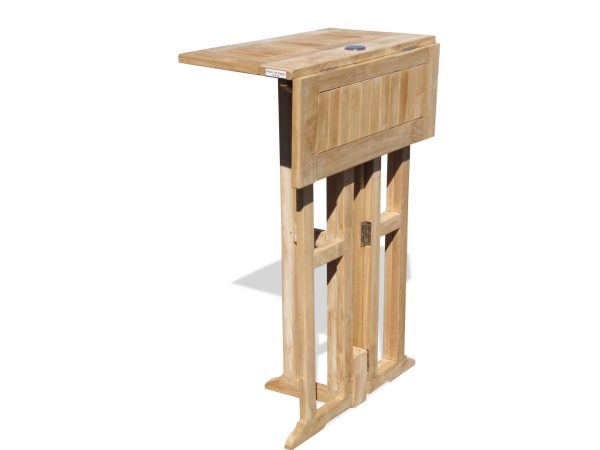

Bar & Counter Tables, Tables
$1,300.00 Original price was: $1,300.00.$925.00Current price is: $925.00.
Grade A Teak 27 Inch Square Bar Drop Leaf Folding Table - Use With 1 Leaf Up Or 2 - Nassau. Assembled. (Bar Height is Higher then Counter)

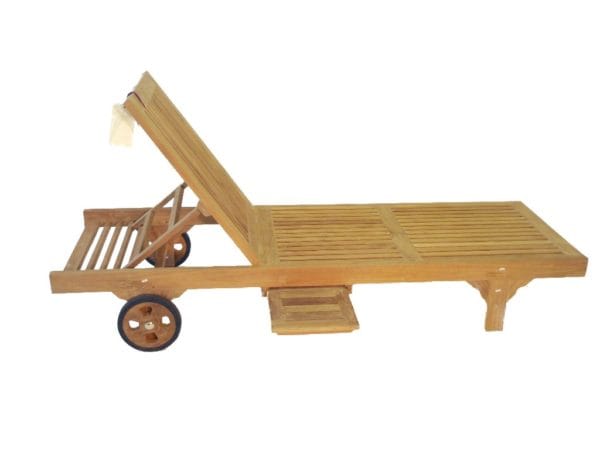
Chairs & Loungers, Loungers
$1,550.00 Original price was: $1,550.00.$1,150.00Current price is: $1,150.00.
Grade A Teak Sun Lounger with 4 Reclining Positions and Sliding Shelf Under Seat. Monaco
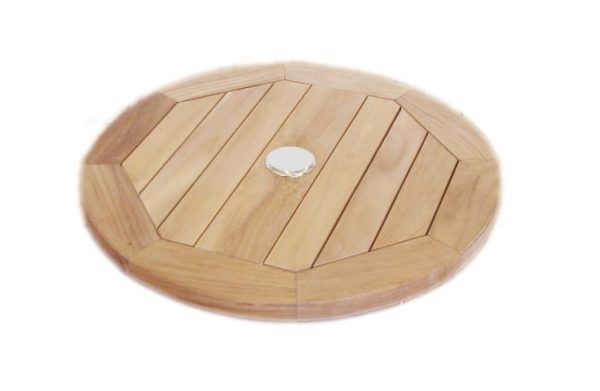
Accessories
$300.00 Original price was: $300.00.$195.00Current price is: $195.00.
Grade A Teak Lazy Susan 16 Inch Round

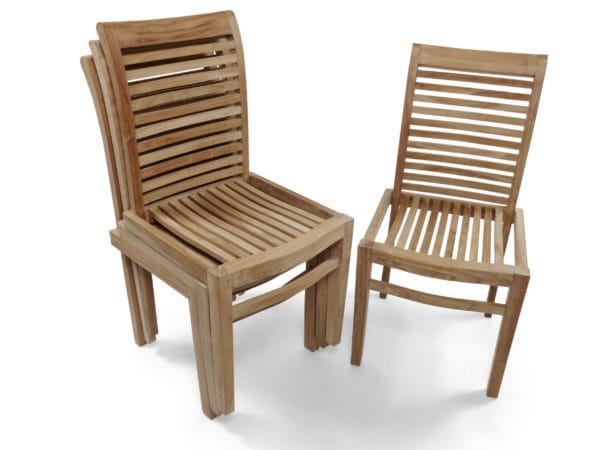
Dining Height 39" Wide Extension Tables - Chairs - Benches - Seating 6-16, Packages
$5,770.00 Original price was: $5,770.00.$4,445.00Current price is: $4,445.00.
Grade A Teak 82 x 39 Inch Rectangular Double Leaf Dining Extension Table - Makes 3 Different Sizes - Buckingham | 6 Casa Blanca Armless Stacking Chairs

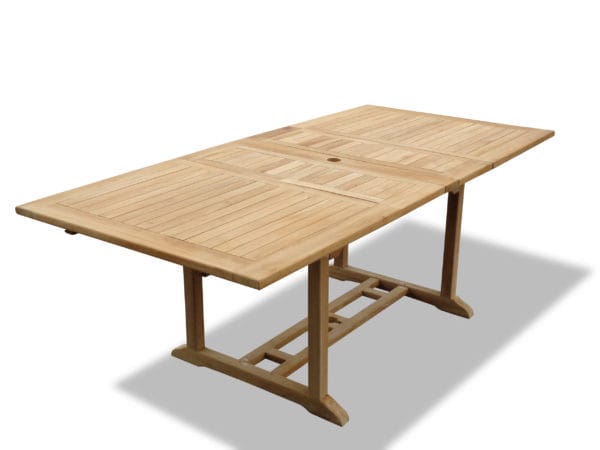
Dining Height 39" Wide Extension Tables - Chairs - Benches - Seating 6-16, Packages
$5,160.00 Original price was: $5,160.00.$4,125.00Current price is: $4,125.00.
Grade A Teak 82 x 39 Inch Rectangular Double Leaf Dining Extension Table - Makes 3 Different Sizes | 4 Backless Contoured Seat Benches / Seats 8-10. Buckingham.
Coffee & Side Tables, Tables
$1,025.00 Original price was: $1,025.00.$750.00Current price is: $750.00.
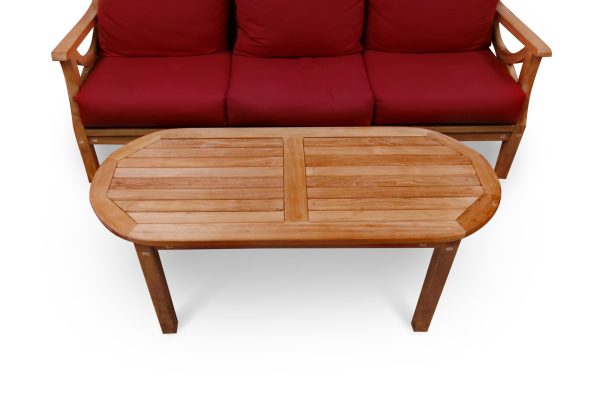
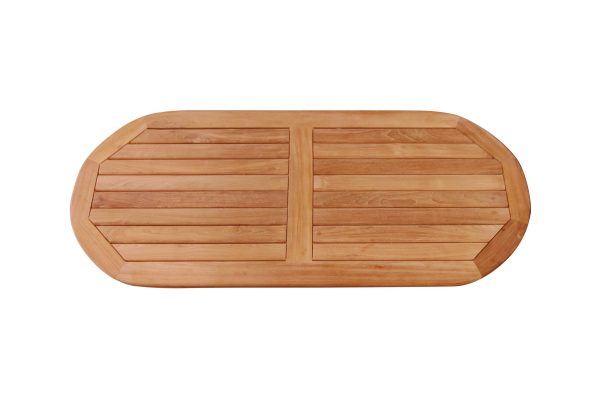
Grade A Teak Oval 48 x 20 x 20 Inch Cape Cod Coffee Table
-25%
Deep Seating Sofas, Love Seats, Chairs, and Sectionals, Packages
$7,790.00 Original price was: $7,790.00.$5,850.00Current price is: $5,850.00.
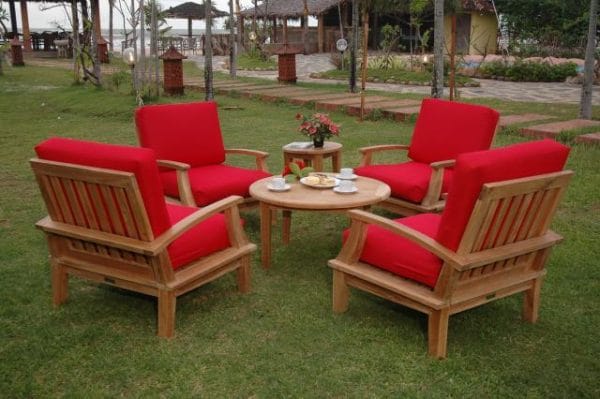
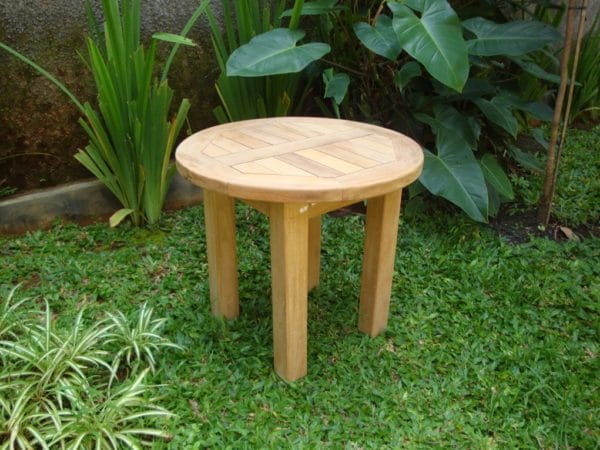
Grade A Teak Deep Seating 6 Pc Armchair Set - (4 Chairs - 2 Tables) Sunbrella Cushions / 40 Colors | Portofino
Bar & Counter Tables, Tables
$1,450.00 Original price was: $1,450.00.$1,095.00Current price is: $1,095.00.
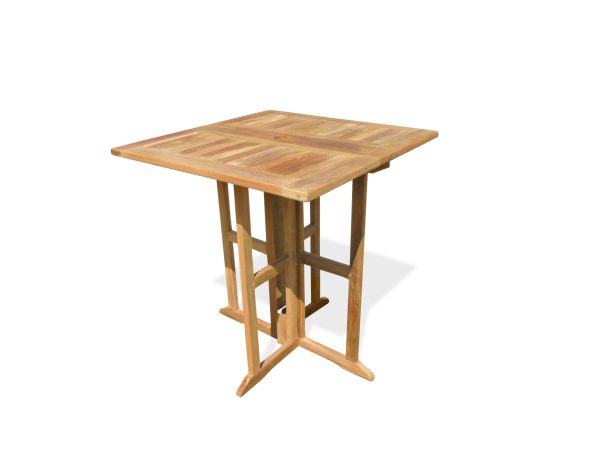
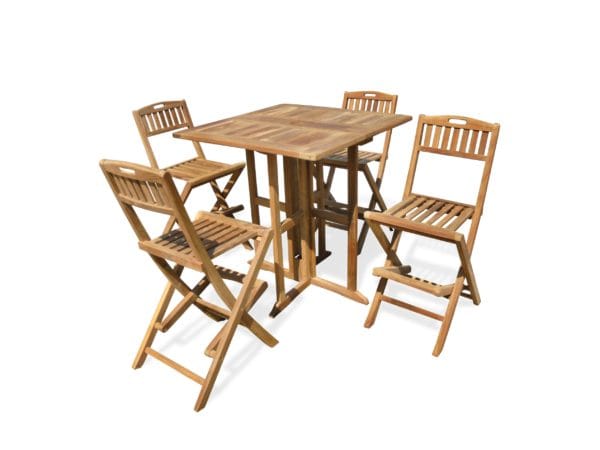
Grade A Teak 35 Inch Square Counter Folding Drop Leaf Table - Use with 1 Or 2 Leaves Up, Makes 2 different tables - Bimini. Assembled.
Chairs & Loungers, Dining & Deck Swivel Chairs, Dining Garden Chairs
$2,400.00 Original price was: $2,400.00.$1,750.00Current price is: $1,750.00.
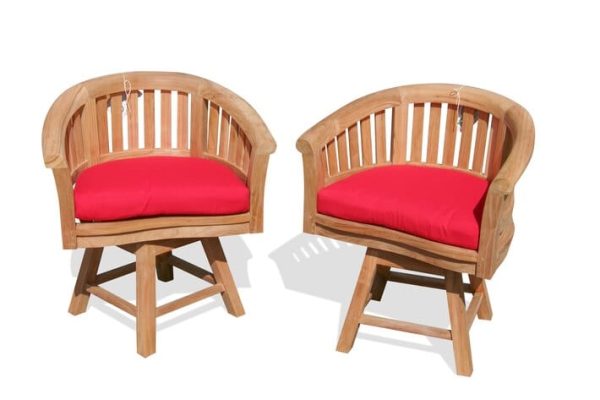
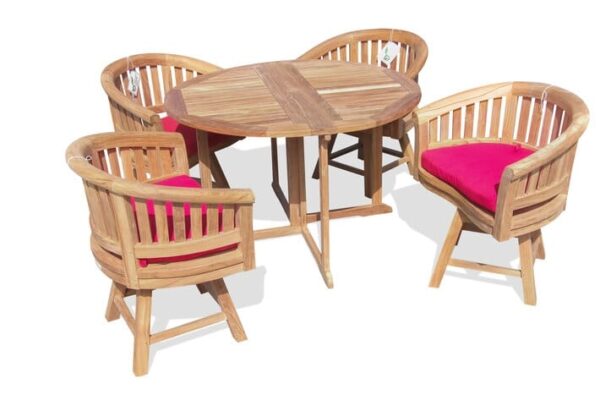
Grade A Teak Curved Swivel Armchairs 2/Pack - Kensington. Assembled. (Cushions Not Incl)
Dining Height 39" Wide Extension Tables - Chairs - Benches - Seating 6-16, Packages
$7,070.00 Original price was: $7,070.00.$5,275.00Current price is: $5,275.00.
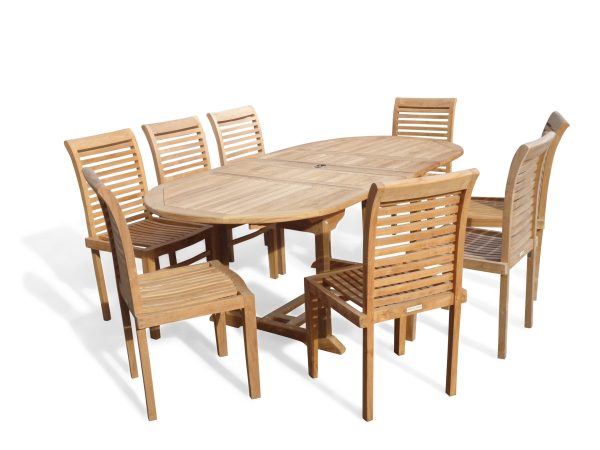
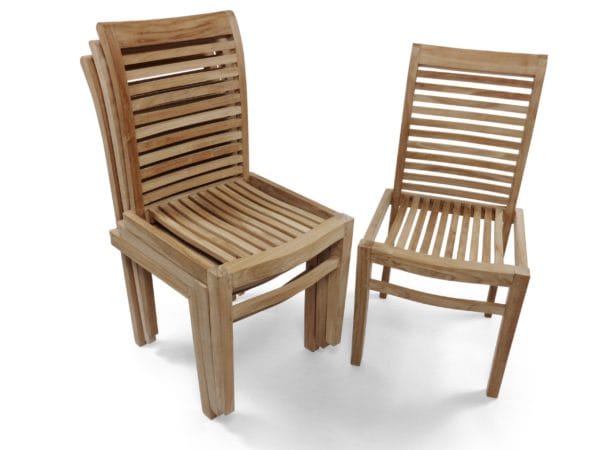
Grade A Teak 82 x 39 Inch Oval Double Leaf Dining Extension Table - Makes 3 Different Sizes - Buckingham | 8 Casa Blanca Armless Stacking Chairs
Coffee & Side Tables, Tables
$700.00 Original price was: $700.00.$550.00Current price is: $550.00.
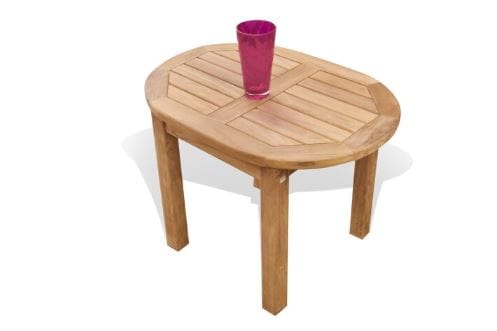
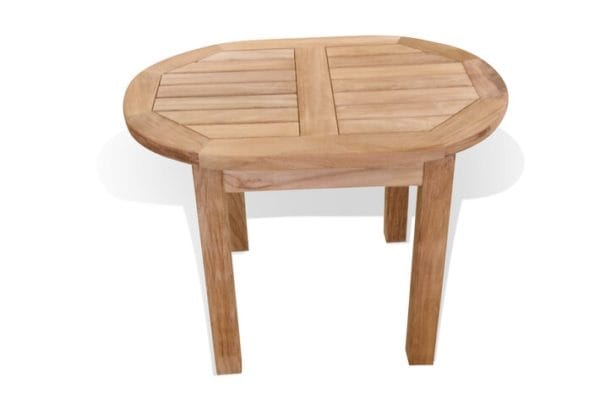
Grade A Teak Oval 28 x 20 x 20 Inch Coffee Table - Cape Cod
Bar & Counter Chairs - Benches, Chairs & Loungers
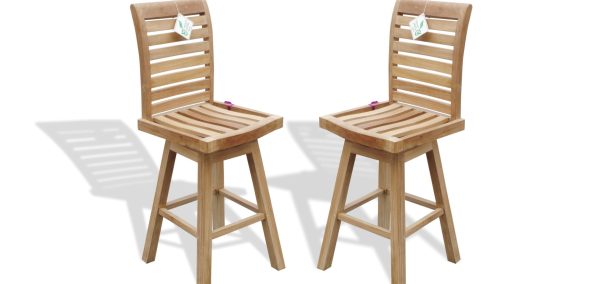
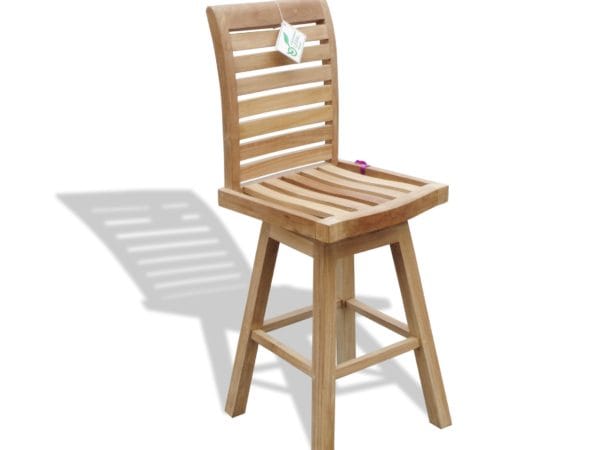
$1,700.00 Original price was: $1,700.00.$1,350.00Current price is: $1,350.00.