


Living near the ocean offers unparalleled beauty and lifestyle benefits, but it also presents unique challenges for homeowners, particularly when it comes to furnishing outdoor and indoor spaces. The coastal environment—with its constant salt air, high humidity, intense sun exposure, and corrosive ocean breezes—can rapidly destroy ordinary furniture. Grade A teak furniture has become the material of choice for discerning coastal homeowners because it not only survives these harsh conditions but actually thrives in them, delivering decades of beautiful, maintenance-free performance.
The Coastal Environment: Beautiful but Brutal on Furniture
Coastal and oceanfront homes exist in what furniture experts call an “accelerated aging environment.” The very elements that make coastal living desirable—ocean views, sea breezes, natural light—create conditions that systematically attack and degrade most furniture materials.
Salt Air: The Invisible Destroyer
Salt-laden air doesn’t just affect boats and docks—it permeates everything within miles of the coast. This airborne salt creates multiple destructive effects:
- Metal corrosion: Salt accelerates oxidation, causing rust that weakens structures, stains surfaces, and eventually leads to complete failure of metal furniture and hardware
- Wood degradation: Salt draws moisture into untreated woods, leading to swelling, warping, and accelerated rot
- Finish breakdown: Paints, stains, and protective coatings degrade rapidly in salt air, requiring constant maintenance
- Fabric deterioration: Salt crystals act like sandpaper on fabric fibers, causing premature wear and fading
- Composite material failure: Many synthetic materials become brittle and crack when exposed to salt
The closer to the ocean, the more concentrated these effects become. Homes within a quarter-mile of the surf line experience particularly aggressive salt exposure, but even properties several miles inland deal with salt-air challenges.
Humidity and Moisture: The Constant Pressure
Coastal areas maintain higher relative humidity year-round compared to inland locations. This persistent moisture creates ongoing challenges:
- Mold and mildew growth: Furniture surfaces and cushions become breeding grounds for unsightly and unhealthy growth
- Wood expansion and contraction: Standard woods swell and shrink with humidity changes, loosening joints and creating gaps
- Adhesive failure: Moisture weakens many glues and bonding agents used in furniture construction
- Upholstery problems: Constant dampness leads to musty odors and shortened fabric life
- Finish bubbling and peeling: Moisture trapped under finishes causes blistering and delamination
For coastal homeowners, this means furniture that looks great in a showroom can begin showing problems within months of placement in an oceanfront environment.
UV Radiation: Amplified by Ocean Reflection
Coastal homes receive significantly more UV exposure than inland properties because sunlight reflects off the ocean surface, effectively doubling the radiation hitting outdoor spaces and sun-facing windows. This intensified UV exposure causes:
- Rapid color fading: Furniture finishes, fabrics, and materials lose color vibrancy in a fraction of the time they would inland
- Structural degradation: UV breaks down the molecular structure of many materials, making them brittle and weak
- Surface checking and cracking: Exposed materials develop fine cracks and splits
- Finish degradation: Protective coatings break down, leaving materials vulnerable to moisture and salt
Even furniture marketed as “outdoor-rated” often fails to account for the amplified UV exposure of coastal environments, leading to disappointing performance and frequent replacement needs.
Temperature and Weather Extremes
Coastal areas experience unique temperature patterns and weather phenomena that stress furniture:
- Sudden temperature changes: Ocean breezes can drop temperatures rapidly, creating expansion and contraction stress
- High winds: Coastal storms bring powerful winds that can damage or destroy furniture not built for extreme conditions
- Intense sun followed by cool fog: Rapid cycling between hot and cool conditions accelerates material breakdown
- Salt spray from storms: Major weather events coat everything in corrosive salt water
These combined factors create an environment where furniture that might last 10-15 years inland often fails in 2-3 years at the coast—unless you choose materials specifically engineered to handle coastal conditions.
Why Grade A Teak Thrives in Coastal Environments
Grade A teak isn’t just resistant to coastal challenges—it’s naturally designed to excel in exactly these conditions. The same properties that made teak the wood of choice for shipbuilding for centuries make it ideal for coastal homes today.
Natural Salt-Air Resistance: Built-In Protection
Grade A teak contains exceptionally high levels of natural oils and resins that create a protective barrier against salt penetration. Unlike woods that require chemical treatments to resist salt damage, teak’s protection is inherent in the wood structure itself.
These natural oils serve multiple protective functions in coastal environments:
Moisture repellency: The oils cause water—including salt water—to bead on the surface rather than absorb into the wood. This prevents the internal moisture problems that destroy other woods in humid coastal climates.
Salt barrier: The oily composition prevents salt crystals from penetrating into the wood grain where they would draw moisture and cause internal corrosion and rot.
Self-renewing protection: As surface oils weather away over time, oils from deeper in the wood migrate to the surface, continuously renewing the protective layer without any treatment needed.
For coastal homeowners, this means Grade A teak furniture maintains its structural integrity and appearance year after year despite constant salt-air exposure, while other woods—even those treated with marine sealants—gradually deteriorate and require replacement.
Superior Dimensional Stability: No Warping or Splitting
Coastal humidity levels fluctuate with weather patterns, tides, and seasonal changes. Most woods expand when humidity rises and contract when it falls, creating ongoing problems:
- Deck boards develop gaps that trap debris
- Table tops warp and become uneven
- Joints loosen and furniture becomes wobbly
- Drawers and doors stick or won’t close properly
- Cracks develop along the grain
Grade A teak’s tight grain structure and natural oil content create exceptional dimensional stability. The wood maintains its shape and size despite humidity changes that would cause significant movement in other species. This stability delivers multiple benefits for coastal furniture:
Consistent joinery: Mortise and tenon joints, dovetails, and other connections remain tight over decades because the wood doesn’t expand and contract significantly.
Flat surfaces: Table tops, desk surfaces, and cabinet panels stay flat and level rather than cupping or warping.
Smooth operation: Drawers and doors continue to open and close smoothly because the wood doesn’t swell with humidity.
Gap-free construction: Deck boards and paneling maintain consistent spacing rather than developing problematic gaps or binding tightly together.
In practical terms, this means your Grade A teak dining table on a covered oceanfront patio will be just as flat and stable in year ten as it was on delivery day, while a comparable table in standard hardwood would likely be warped, split, or structurally compromised.
UV and Weather Resistance: Aging Gracefully
The intense, reflected UV exposure of coastal environments causes most wood finishes to break down rapidly, leaving the wood vulnerable to moisture damage, color loss, and structural degradation. Grade A teak takes a completely different approach to UV exposure.
Rather than fighting against UV radiation, Grade A teak naturally weathers to a beautiful silver-gray patina that actually protects the wood:
The weathering process: When exposed to sunlight and moisture, the surface of teak gradually changes from its original golden honey color to an elegant silver-gray. This isn’t damage—it’s a natural oxidation process that affects only the outermost layer of wood cells.
Protective patina formation: The weathered silver-gray surface layer acts as a protective shield, actually helping prevent deeper UV penetration and protecting the structural wood beneath.
Stable appearance: After the initial weathering period (typically 6-12 months), the silver-gray color stabilizes and remains consistent, requiring no maintenance to preserve.
Reversible process: If you later decide you prefer the golden color, light sanding easily removes the weathered surface, revealing fresh golden teak underneath. The wood can be oiled to maintain the golden color or allowed to re-weather naturally.
This weathering characteristic is particularly valuable for coastal homes where maintaining traditional finishes requires constant, costly reapplication. Grade A teak either maintains its golden color with minimal oiling or weathers to a distinguished gray—both options look intentional and beautiful, and both protect the wood effectively.
Natural Strength and Durability: Built to Last Generations
Coastal storms, high winds, and environmental stresses demand furniture with exceptional structural integrity. Grade A teak’s natural density and strength provide:
Wind resistance: The wood’s density and weight help furniture stay in place during coastal wind events that would topple lighter materials.
Impact resistance: Dense grain structure resists denting and damage from flying debris during storms or from normal use impacts.
No brittleness: Unlike many materials that become brittle with age and UV exposure, teak maintains its structural integrity and flexibility indefinitely.
Strong joinery: The wood holds fasteners securely and accepts traditional joinery methods that create furniture strong enough to become family heirlooms.
For coastal homeowners investing in quality furnishings, teak’s structural longevity means furniture that can be passed down through generations rather than replaced every few years.
Perfect Applications for Grade A Teak in Coastal Homes
Oceanfront Patios and Decks: The Showcase Space
Your oceanfront patio or deck is likely the most-used outdoor space in your home—and it faces the most aggressive coastal conditions. Grade A teak furniture transforms these spaces into comfortable, beautiful areas that require minimal maintenance:
Dining sets for coastal entertaining: Teak dining tables and chairs create perfect outdoor dining spaces that handle everything coastal weather delivers. The wood won’t warp from humidity, won’t corrode from salt air, and stays cool enough to touch even in direct sun. Large format tables seat family and guests comfortably, while the wood’s natural non-slip surface when wet prevents accidents around the pool or hot tub.
Lounge seating with lasting comfort: Deep seating sets, chaise lounges, and conversation groups in Grade A teak provide structural support that doesn’t degrade. The wood framework supports premium outdoor cushions without sagging or developing weak points, even after years of daily use and weather exposure.
Multi-functional serving and bar areas: Rolling bar carts, serving tables, and outdoor bar setups in teak bring indoor entertaining functionality to outdoor coastal spaces. The wood handles spills, maintains stability on deck surfaces, and looks elegant whether hosting a dinner party or a casual sunset gathering.
Integrated deck solutions: Built-in seating, planters, and privacy screens in teak create cohesive outdoor spaces that complement rather than compete with ocean views. The wood’s natural color palette works with any architectural style from contemporary to traditional coastal design.
Covered Porches and Verandas: Protected but Still Exposed
Even covered outdoor spaces near the coast face salt air, humidity, and reflected UV exposure. Grade A teak furniture designed for these transitional spaces includes:
Porch swing seating: Traditional porch swings and gliders in teak provide relaxing seating that won’t rust, rot, or require annual painting like alternatives. The wood’s strength supports the stresses of swinging motion year after year.
Rocking chairs and rockers: Classic coastal relaxation furniture benefits from teak’s strength and dimensional stability—rockers maintain their geometry and balance rather than becoming loose and wobbly.
Side tables and occasional pieces: Accent tables for drinks, books, and decorative items need to handle condensation from cold drinks and resist moisture. Teak’s water resistance prevents the ring stains and finish damage that plague other woods.
Storage solutions: Deck boxes, storage benches, and cabinet pieces in teak keep outdoor items organized while protecting them from coastal humidity. The wood naturally resists mold and mildew that would affect items stored in lesser containers.
Poolside and Spa Areas: Constant Water Exposure
Pool decks and hot tub surrounds face challenges beyond typical coastal exposure—they deal with constant water splashing, chemical exposure from pool treatments, and barefoot traffic:
Pool loungers and sun beds: Teak chaise lounges and sun beds provide comfortable poolside seating that handles continuous wet-dry cycles without warping or developing splinters. The wood stays cooler than metal or plastic alternatives and provides sure footing when wet.
Shower and rinse areas: Outdoor shower enclosures and changing areas benefit from teak’s complete water resistance. Shower benches, changing benches, and flooring in teak provide safe, comfortable, slip-resistant surfaces that won’t deteriorate from constant water exposure.
Pool furniture that stays put: Teak’s natural density and weight mean lounge chairs and side tables are less likely to blow into the pool during coastal wind events—a real concern with lightweight alternatives.
Chemical resistance: Pool chemicals and chlorine don’t affect teak the way they damage other woods and materials, making it ideal for areas where splashing and chemical exposure are constant.
Garden and Landscape Integration: Durability Meets Beauty
Coastal landscaping requires plants and materials that can handle salt spray and ocean winds. Grade A teak furniture integrates seamlessly into these challenging garden environments:
Garden benches for contemplation: Positioned throughout coastal gardens, teak benches provide seating that complements rather than competes with natural surroundings. The wood weathers to blend with garden aesthetics while maintaining structural integrity that keeps seating comfortable and safe.
Planter boxes and raised beds: Teak planters resist the moisture and soil contact that quickly rots other woods. The natural oils prevent soil acids from degrading the wood, creating planters that last decades rather than seasons.
Arbors and pergolas: Larger teak structures define garden spaces and provide support for climbing plants without requiring the maintenance and eventual replacement that wooden structures typically need in coastal environments.
Pathway and garden borders: Teak edging and border materials create clean lines in coastal landscapes while standing up to ground moisture and salt exposure that destroys treated lumber.
Indoor Coastal Living Spaces: Where Salt Air Reaches
Salt air doesn’t stop at the door. Coastal homes experience elevated indoor humidity and salt-air infiltration that affects interior furniture, particularly in high-use areas:
Entryway and mudroom furniture: Benches, coat racks, and storage pieces near ocean-facing doors deal with sandy feet, wet swimwear, and salt-air exposure. Teak’s moisture resistance and easy-clean surface make it ideal for these high-function spaces.
Bathroom vanities and storage: Coastal bathrooms maintain high humidity levels. Teak bathroom furniture resists the warping, mold, and finish damage that plagues standard bathroom pieces in humid coastal climates.
Kitchen and dining furniture: Indoor dining tables, kitchen islands, and serving pieces in teak bring cohesive coastal style from outdoor to indoor spaces while offering practical benefits. Teak’s water resistance handles spills and humidity better than many indoor furniture woods.
Living room accent pieces: Coffee tables, side tables, and media consoles in teak provide beautiful, durable surfaces that resist the humidity-related finish problems common in coastal homes.
Design Aesthetics: Teak’s Natural Fit with Coastal Style
Beyond practical performance, Grade A teak furniture offers aesthetic qualities that perfectly complement coastal living environments.
Natural Color Harmony
Teak’s warm golden honey tones and eventual silver-gray weathered patina both work beautifully with coastal color palettes:
Golden teak complements: White and cream architectural elements, blue and aqua accent colors, natural fiber textiles, and warm sandy neutrals—creating cohesive spaces that feel intentionally designed.
Weathered gray teak harmonizes with: Driftwood and natural coastal elements, cool gray and white modern palettes, nautical navy and white schemes, and organic coastal materials like rope, canvas, and linen.
This versatility means teak furniture works with any coastal design direction, from classic Hamptons style to contemporary minimalism to relaxed tropical aesthetics.
Timeless Design that Doesn’t Date
Coastal homes often represent significant investments that homeowners intend to enjoy for decades. Teak furniture’s classic design aesthetic ensures spaces won’t look dated in five or ten years:
Clean lines age well: Simple, well-proportioned teak furniture maintains its visual appeal through changing design trends.
Natural material authenticity: Real wood furniture looks and feels more authentic than synthetic alternatives, particularly important in coastal settings where connection to natural materials enhances the environment.
Mix-and-match flexibility: Teak pieces from different collections and manufacturers often work together because the wood itself provides visual cohesion, allowing you to add and update pieces over time without starting from scratch.
Texture and Tactile Quality
Coastal living emphasizes sensory experience—the feel of ocean breezes, the sound of waves, the warmth of sun. Teak furniture contributes to this sensory environment:
Smooth but natural surface: Properly finished teak feels smooth to the touch but retains natural wood texture that feels organic and warm—particularly important for furniture people touch frequently like chair arms and table edges.
Temperature moderation: Unlike metal that becomes scorching hot or plastic that feels artificial, teak maintains comfortable temperature even in direct sun and feels naturally pleasant to touch.
Aging character: As teak weathers and develops patina, it gains visual depth and character that enhances rather than diminishes aesthetic appeal—furniture that looks better with age rather than worn out.
Investment Value: The True Cost of Coastal Furniture
When evaluating furniture for coastal homes, understanding total cost of ownership reveals why Grade A teak represents superior value despite higher initial investment.
Replacement Cost Analysis
Consider a typical oceanfront patio dining set scenario:
Option 1: Budget synthetic furniture
- Initial cost: $800
- Expected life in coastal environment: 2-3 years
- Replacements over 25 years: 8-10 sets
- Total cost: $6,400-$8,000
- Maintenance: Minimal, but requires storage during storms
- Aesthetic value: Decreases as material degrades
Option 2: Mid-grade wood furniture with protective finish
- Initial cost: $1,500
- Expected life with annual maintenance: 5-7 years
- Replacements over 25 years: 3-4 sets
- Annual maintenance cost (refinishing): $200
- Total cost: $4,500-$6,000 + $5,000 maintenance = $9,500-$11,000
- Time investment: 40-80 hours of maintenance work
Option 3: Grade A teak furniture
- Initial cost: $3,500
- Expected life: 25-50+ years
- Replacements over 25 years: 0
- Annual maintenance: Optional oiling 1-2x/year, $50 if outsourced
- Total cost: $3,500 + $1,250 optional maintenance = $4,750
- Time investment: 5-10 hours if you choose to oil
- Resale/estate value: Retains significant value
Over a 25-year ownership period, Grade A teak costs less than half the total cost of alternatives while providing superior performance and aesthetics every single day. The math becomes even more compelling when you consider that quality teak furniture easily lasts 50+ years, potentially serving multiple generations.
Maintenance Time and Cost Savings
Coastal homeowners often choose coastal living to enjoy the environment, not to spend weekends maintaining furniture. The time saved with teak represents real value:
Annual maintenance comparison:
Painted wood furniture: 8-12 hours annually for cleaning, touch-up painting, and periodic refinishing
Metal furniture: 6-10 hours annually for rust removal, protective coating application, and hardware replacement
Synthetic materials: 2-4 hours for cleaning plus periodic complete replacement
Grade A teak: 0-2 hours if you choose optional oiling, or zero hours if allowing natural weathering
Over 25 years, this difference represents 150-300 hours of time—approximately 4-8 full work weeks that can be spent enjoying your coastal home rather than maintaining it.
Property Value Enhancement
Quality outdoor living spaces significantly impact coastal property values. Real estate professionals consistently note that homes with high-quality outdoor furniture and well-designed exterior spaces command premium prices and sell faster:
First impression impact: Potential buyers often view outdoor spaces before even entering the home. Quality teak furniture creates an immediate impression of a well-maintained, premium property.
Functional space valuation: Professionally furnished outdoor living areas add usable square footage to the home’s functional space, increasing perceived value.
Quality signal: Buyers recognize quality materials. Grade A teak furniture signals that other aspects of the property have likely received similar attention to quality and maintenance.
Move-in ready appeal: Furnished outdoor spaces allow buyers to immediately envision coastal lifestyle enjoyment, creating emotional connections that drive purchase decisions.
While difficult to quantify precisely, coastal real estate professionals estimate that well-furnished outdoor spaces can add 2-5% to home sale prices—potentially tens of thousands of dollars on oceanfront properties.
Sustainability Considerations for Conscious Coastal Living
Coastal homeowners often demonstrate heightened environmental awareness, given their direct connection to ocean ecosystems. Grade A teak from responsible sources aligns with sustainable living values:
Certified Sustainable Forestry
Reputable teak suppliers source from certified sustainable plantations where:
- Trees are planted specifically for harvest on managed rotations
- Natural forests remain untouched and protected
- Replanting ensures continuous supply for future generations
- Local communities benefit from employment and economic development
- Environmental impact is carefully managed and minimized
When purchasing Grade A teak furniture, verify the supplier provides documentation of sustainable sourcing practices and certifications.
Longevity Equals Sustainability
The most sustainable furniture is furniture that doesn’t need replacement. Grade A teak’s 50+ year lifespan means:
Reduced resource consumption: One teak dining set replaces 8-10 synthetic sets over its lifetime, dramatically reducing raw material extraction, manufacturing energy, and transportation impacts.
Minimal waste generation: Furniture that lasts generations doesn’t end up in landfills every few years.
No chemical treatments needed: Teak’s natural properties eliminate the need for chemical preservatives, sealants, and finishes that introduce toxins into the environment.
Complete biodegradability: At true end of life (which may be beyond your lifetime), teak furniture is completely biodegradable, unlike synthetic materials that persist in landfills indefinitely.
Local Ecosystem Protection
Choosing durable, non-toxic furniture materials contributes to protecting the coastal ecosystems that make oceanfront living desirable:
- No toxic finishes leaching into soil or water systems
- No microplastic degradation entering the environment
- No corrosion products contaminating coastal areas
- Reduced manufacturing and transportation impacts from eliminated replacement cycles
Making the Right Choice: Selecting Grade A Teak for Your Coastal Home
Verify True Grade A Quality
Not all teak furniture meets the standards necessary for optimal coastal performance. When shopping, confirm these Grade A indicators:
Visual inspection:
- Consistent rich golden-brown color throughout
- Tight, straight grain lines with minimal variation
- Few or no knots (knots indicate lower grade wood)
- Minimal lighter-colored sapwood (should be less than 10% of any piece)
- Natural oily feel and pleasant aroma
Documentation verification:
- Supplier should provide grade certification
- Sustainable sourcing documentation should be available
- Country of origin should be specified (Indonesia and Myanmar produce premium plantation teak)
Construction Quality Matters
Even the finest wood performs poorly with inferior construction. Look for:
Joinery quality:
- Mortise and tenon joints rather than simple butt joints
- Doweled construction where appropriate
- Visible craftsmanship in joint fitting and alignment
- No reliance solely on screws to hold pieces together
Hardware specifications:
- Marine-grade stainless steel (316-grade minimum) for all metal components
- Brass or bronze for decorative elements
- Recessed fasteners that won’t snag clothing or skin
- Rust-proof hinges, drawer slides, and mechanical components
Design for coastal use:
- Drainage gaps in horizontal surfaces to prevent water pooling
- Appropriate thickness for application (outdoor pieces should use thicker stock than indoor)
- Rounded edges and corners for safety and aesthetic finish
- Stable base designs that won’t tip easily in wind
Style Selection for Cohesive Design
Grade A teak furniture comes in styles ranging from traditional to ultra-contemporary. Choose styles that complement your home’s architecture and your personal aesthetic:
For traditional coastal homes: Look for classic designs with turned legs, slatted backs, and traditional proportions that echo timeless furniture forms.
For contemporary coastal architecture: Clean-lined modern pieces with minimal ornamentation and geometric forms complement modern design while providing teak’s practical benefits.
For transitional spaces: Simplified traditional forms or modernized classics work with both traditional and contemporary elements.
Right-Sizing Your Investment
Start with high-impact, high-use pieces and add over time:
Priority 1 – Primary outdoor dining: If you have one oceanfront patio or deck, invest first in a quality dining set that will anchor the space and receive the most use.
Priority 2 – Primary seating: Deep seating for lounging, conversation sets for entertaining, or lounge chairs for relaxation—choose based on how you use outdoor spaces most.
Priority 3 – Accent and occasional pieces: Side tables, serving carts, and accent pieces can be added as budget allows.
Priority 4 – Secondary spaces: Furnish less-used areas like upper balconies or side patios after primary spaces are complete.
This phased approach allows you to invest in quality pieces over time rather than compromising quality to furnish everything at once.
Living with Teak: What to Expect Over Time
The First Year: Settling In
New Grade A teak furniture undergoes an initial adjustment period as it acclimates to your specific coastal environment:
Initial oil presence: New teak may leave slight oil residue on surfaces for the first few weeks as surface oils stabilize. This is normal and indicates high oil content—a positive sign. Simple cleaning removes any residue.
Color beginning to weather: If left untreated, teak begins developing silver-gray patina within the first 6-12 months. This process is natural and protective. If you prefer to maintain golden color, light oiling every 2-3 months prevents weathering.
Wood stabilization: Even teak experiences minimal dimensional movement as it adjusts to your local humidity levels. This minor adjustment happens in the first few months and then stabilizes.
Years 2-10: Mature Performance
During this period, teak furniture demonstrates why it’s the premium choice for coastal environments:
Stable appearance: Whether maintained golden through oiling or weathered to silver-gray, the appearance stabilizes and remains consistent.
Structural integrity: Joints remain tight, surfaces stay flat, and the furniture functions exactly as it did when new.
Minimal maintenance needs: Optional oiling 1-2 times annually if maintaining golden color, or zero maintenance if allowing natural weathering.
Aging gracefully: Any minor scratches or surface wear blend into the wood’s natural character rather than appearing as damage.
Years 10+: Heirloom Quality
Well into its second decade, Grade A teak furniture often looks and performs better than new furniture in other materials:
Developed character: Weathered teak develops depth and patina that’s impossible to replicate artificially—furniture that tells a story of years enjoying coastal living.
Proven durability: Having weathered countless storms, years of salt air, and daily use, the furniture proves its value through continued performance.
Potential restoration: If desired, even heavily weathered teak can be restored to golden color through light sanding and oiling—reversing decades of weathering in an afternoon if you want a refreshed look.
Value retention: Quality teak furniture retains significant resale value, unlike most outdoor furniture that depreciates to near-zero within a few years.
Common Questions from Coastal Homeowners
Should I oil my teak furniture or let it weather naturally?
Both approaches work excellently in coastal environments—the choice is purely aesthetic. Oiling maintains the golden honey color and requires application 2-3 times annually. Natural weathering produces beautiful silver-gray patina with zero maintenance. The natural oils within the wood provide protection in either case, so choose based on your preferred look.
Will weathered gray teak look dirty or unkempt?
No—weathered teak develops an elegant, uniform silver-gray that looks intentional and sophisticated, particularly in coastal settings where it harmonizes with natural elements. The patina is smooth and clean-looking, very different from the appearance of deteriorating or rotting wood. Many high-end coastal resorts and yacht clubs specifically choose weathered teak for its distinguished appearance.
How do I clean teak furniture in a coastal environment?
Regular rinsing with fresh water removes salt and environmental debris. For deeper cleaning, use mild soap and a soft brush, then rinse thoroughly. Avoid pressure washers, which can damage the wood surface. For stubborn stains or if you’re preparing to oil weathered teak, specialized teak cleaners are available. Most coastal teak furniture needs only occasional fresh water rinsing to stay beautiful.
Can I leave teak furniture out during coastal storms?
Quality Grade A teak furniture is built to withstand coastal weather, including storms. However, extremely powerful hurricanes and tropical storms may require securing or storing lightweight pieces. Heavy items like dining tables often weather storms better than lighter alternatives that can become projectiles. Check your specific furniture’s weight and design—built-in pieces and heavy dining sets typically can stay in place, while lighter lounge chairs might benefit from securing or temporary storage during major storm events.
Does teak furniture attract mold or mildew in humid coastal climates?
Grade A teak’s natural oils resist mold and mildew growth significantly better than other woods. While cushions and fabrics in coastal environments may require mold-resistant treatment, the teak framework itself rarely develops mold issues. If surface mold appears (usually only in extremely humid conditions with no air circulation), it wipes off easily with mild soap and water and doesn’t penetrate or damage the wood.
Will sand from the beach damage teak furniture?
Teak’s dense grain structure resists scratching from sand better than softer woods, though significant repeated abrasion from sandy feet or beach towels will eventually cause some surface wear. This wear pattern typically adds to the furniture’s character rather than detracting from appearance. Regular brushing or rinsing removes sand before it can cause excessive wear.
How does teak furniture affect home insurance in coastal areas?
Quality outdoor furniture doesn’t typically impact homeowners insurance rates directly, but it may be worth documenting high-value pieces for property insurance purposes. Some insurers offer specific coverage for outdoor furniture and equipment. Check with your insurance provider about coverage limits for outdoor furnishings and consider whether additional coverage makes sense for significant teak furniture investments.
The Coastal Living Investment: More Than Just Furniture
Choosing Grade A teak furniture for your coastal home represents more than a furniture purchase—it’s an investment in your lifestyle, your property value, and your daily enjoyment of oceanfront living.
Every morning coffee on your teak dining table, every sunset viewed from your teak lounge chair, every dinner party hosted on your ocean-view patio becomes more enjoyable knowing your furniture will perform flawlessly regardless of weather conditions. You never worry about finish damage from unexpected rain, never stress about salt-air corrosion, never face the frustration of warped or deteriorating furniture that needs replacement.
The peace of mind that comes with truly permanent, weather-proof outdoor furnishings allows you to focus on what drew you to coastal living in the first place—enjoying the beauty, tranquility, and lifestyle benefits of living near the ocean.
Grade A teak furniture doesn’t fight against the coastal environment—it works with it, thriving in conditions that destroy lesser materials. The same salt air, humidity, and weather that make coastal living challenging for furniture make it perfect for teak. The wood’s natural properties align perfectly with coastal conditions, creating furniture that not only survives but actually improves with age and exposure.
When you factor in the total cost of ownership, the time savings from minimal maintenance, the enhancement to property value, and most importantly, the decades of reliable performance and enjoyment, Grade A teak furniture emerges as not just the best choice for coastal homes—it’s often the only choice that makes long-term practical and economic sense.
Your coastal home deserves furniture as exceptional as its location. Grade A teak delivers that exceptional quality every single day, through every weather condition, for generations to come.

Non Folding Dining Tables - Chairs - Benches Seating 4-10, Packages
$4,900.00 Original price was: $4,900.00.$3,595.00Current price is: $3,595.00.
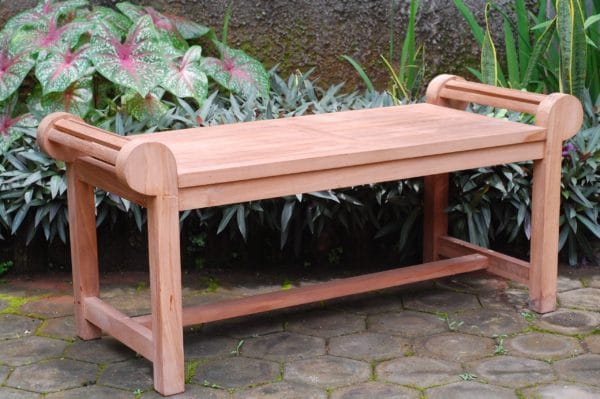
Grade A Teak 71 x 35 Inch Rectangular Cannes Dining Table | 6 Java Folding Chairs with Lumbar Support
Garden-Patio Conversation Sets - Benches Chairs Side Tables, Packages
$3,150.00 Original price was: $3,150.00.$2,295.00Current price is: $2,295.00.
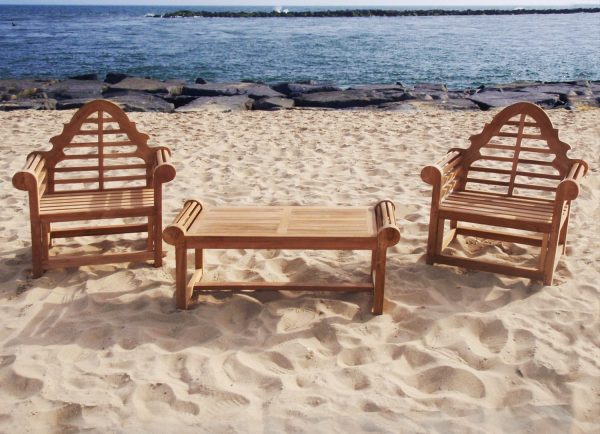
Lutyens Grade A Teak Collection - Coffee Table + 2 Armchairs
Extra Wide - 51" Wide Dining Extension Tables, Tables
$2,890.00 Original price was: $2,890.00.$2,195.00Current price is: $2,195.00.
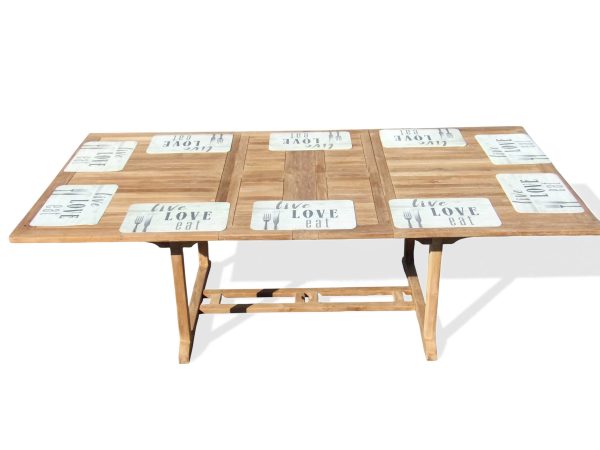
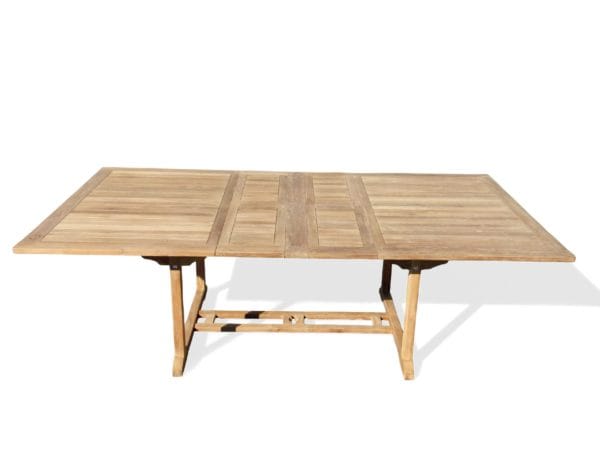
Grade A Teak 95 x 51 Inch Dining Rectangular Double Leaf Extension Table - Makes 3 Different Sizes. Seats 10. Buckingham
Buffet & Console Tables, Tables
$1,250.00 Original price was: $1,250.00.$950.00Current price is: $950.00.
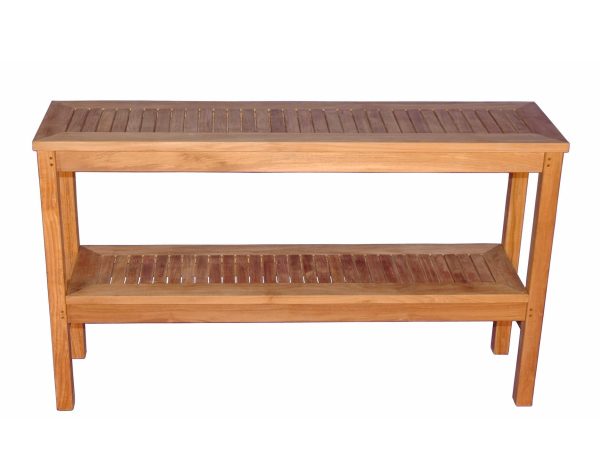
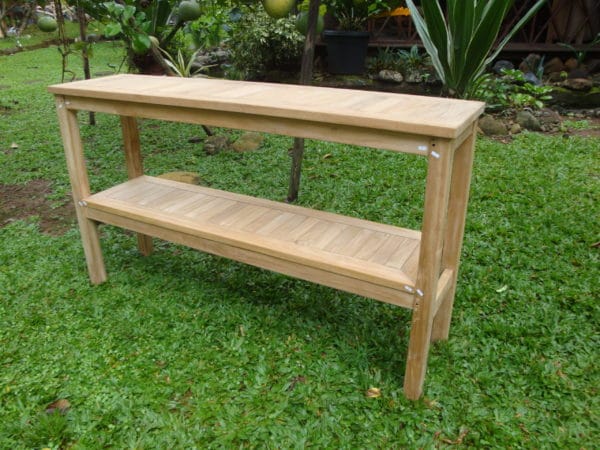
Grade A Teak 48 x 15 Inch Rectangular Multi-Purpose Buffet / Console / Sideboard Table. Cape Cod

Dining Height 39" Wide Extension Tables - Chairs - Benches - Seating 6-16, Packages
$5,470.00 Original price was: $5,470.00.$4,125.00Current price is: $4,125.00.
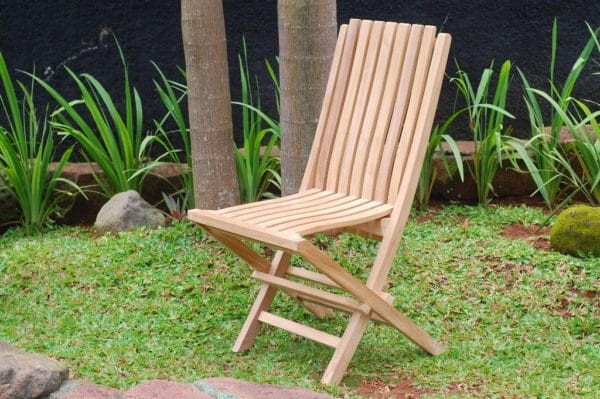
Grade A Teak 66 x 39 Inch Oval Double Leaf Dining Extension Table - Makes 3 Different Sizes - Buckingham | 6 Java Folding Chairs With Lumbar Support

Garden-Patio Conversation Sets - Benches Chairs Side Tables, Packages
$2,500.00 Original price was: $2,500.00.$1,775.00Current price is: $1,775.00.
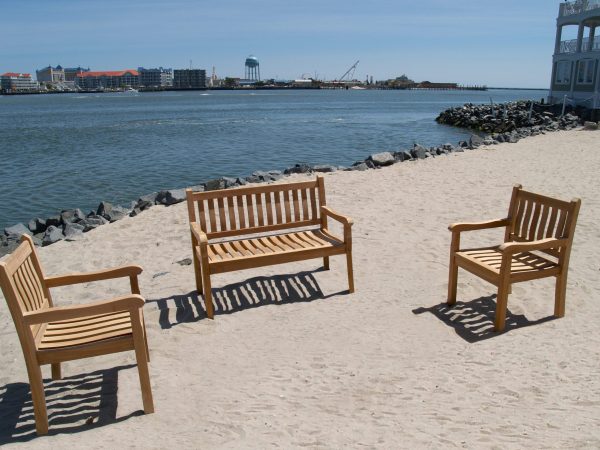
Grade A Teak 48 Inch Windsor Bench, - 2 Armchairs


Backless Benches, Benches & Swings, Curved Benches
$1,650.00 Original price was: $1,650.00.$1,195.00Current price is: $1,195.00.
Grade A Teak 76 Inch Curved Backless Bench - make your own design - 1/2 Circle, "S" , or Full Circle. Oxford

Bar & Counter Chairs - Benches, Chairs & Loungers
$1,700.00 Original price was: $1,700.00.$1,350.00Current price is: $1,350.00.
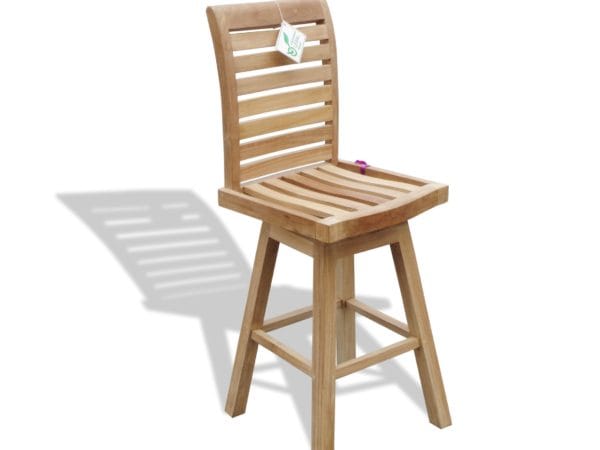
Grade A Teak 2/Pack Bar Armless Swivel Chairs. St. Moritz. Assembled.
-39%
Deep Seating Sofas, Love Seats, Chairs, and Sectionals, Packages
$6,725.00 Original price was: $6,725.00.$4,095.00Current price is: $4,095.00.
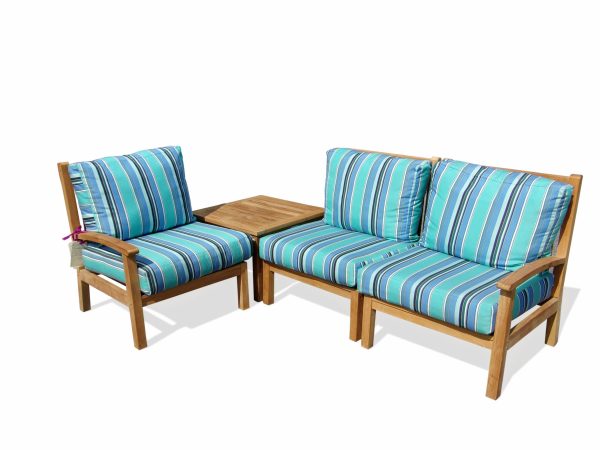
Grade A Teak Deep Seating Sectional 4 Pc Set | Corner Table - Sunbrella Cushions / 40 Colors | Portofino

Bar - Counter Tables & Chairs, Seating 2-8, Packages
$3,550.00 Original price was: $3,550.00.$2,595.00Current price is: $2,595.00.
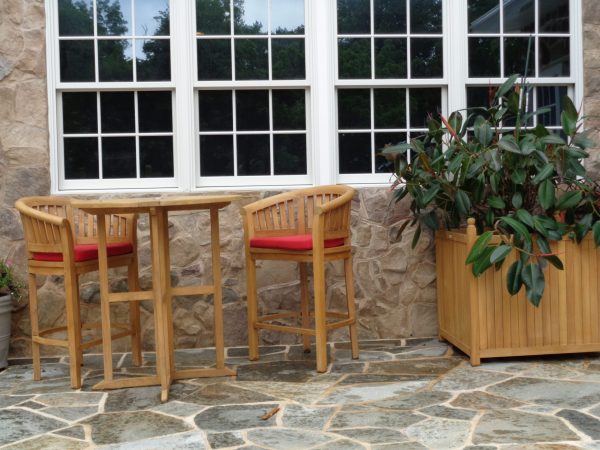
Grade A Teak 39 Inch Round Bar Drop Leaf Folding Table - Use with 1 Or 2 Leaves Up - Nassau | Kensington Curved Arm Bar Chairs. Assembled.
Coffee & Side Tables, Tables
$1,025.00 Original price was: $1,025.00.$750.00Current price is: $750.00.
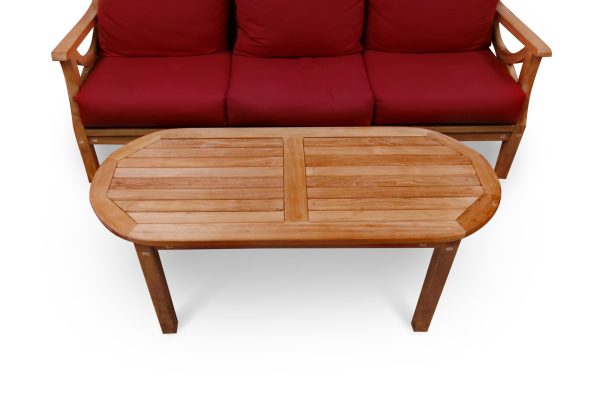
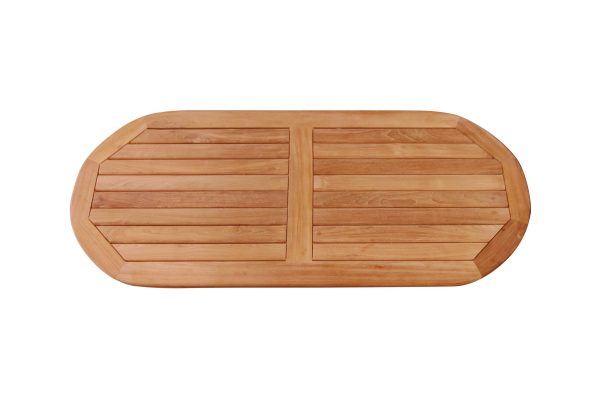
Grade A Teak Oval 48 x 20 x 20 Inch Cape Cod Coffee Table
-28%


Deep Seating, Deep Seating Teak Chairs
$1,800.00 Original price was: $1,800.00.$1,295.00Current price is: $1,295.00.